


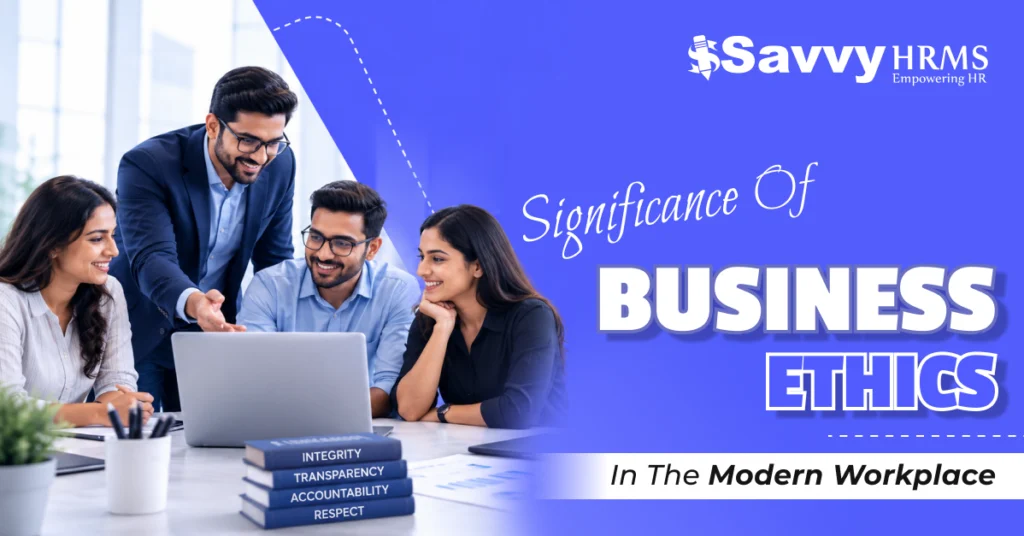

Business ethics has become more than just corporate jargon. In the modern workplace, employees, customers, investors, and business partners expect organizations to operate with honesty, fairness, and accountability. Whether it’s protecting employee data, ensuring fair hiring practices, maintaining transparency in payroll, or following labour laws, ethical business practices influence every aspect of an organization.
A workplace built on strong ethical values creates trust. Employees feel valued, customers become loyal, and businesses earn a positive reputation in the market. On the other hand, even a single unethical decision can damage a company’s credibility, lead to legal consequences, and affect employee morale.
As organizations continue to embrace digital transformation, remote work, and AI-powered technologies, business ethics have become even more important. Let’s explore what business ethics means, the different types of business ethics, and why ethical practices are essential for building a successful and sustainable organization.
What Are Ethics in Business?
Business ethics refers to the moral principles, values, and standards that guide how an organization operates. It helps businesses make decisions that are not only legally compliant but also fair, honest, and socially responsible.
Simply put, business ethics is about doing the right thing, even when no one is watching.
Ethics influences how organizations interact with employees, customers, suppliers, shareholders, and society. It shapes workplace behavior, leadership decisions, recruitment processes, employee compensation, customer relationships, and environmental responsibility.
Some common examples of business ethics include:
- Treating employees fairly regardless of gender, age, religion, or background.
- Following labour laws and statutory compliance requirements.
- Protecting confidential employee and customer information.
- Being transparent in payroll, taxation, and financial reporting.
- Preventing discrimination, harassment, and workplace bullying.
- Promoting diversity, equity, and inclusion (DEI).
- Maintaining honesty in marketing and customer communication.
- Encouraging ethical leadership and responsible decision-making.
A company doesn’t become ethical simply by creating policies. Ethics becomes meaningful when it is reflected in everyday decisions, workplace behavior, and organizational culture.
What Are the Different Types of Business Ethics?
Business ethics covers several areas that influence how an organization functions. Understanding these different types helps businesses create a healthier, more responsible workplace.
1. Personal Ethics
Personal ethics refers to the moral values and principles that guide an individual’s behavior at work. Employees who demonstrate honesty, accountability, integrity, and professionalism contribute positively to the workplace.
Examples include:
- Being truthful in communication.
- Meeting deadlines honestly.
- Respecting confidential information.
- Taking responsibility for mistakes.
2. Leadership Ethics
Leaders play a significant role in shaping workplace culture. Ethical leaders make fair decisions, communicate openly, and lead by example.
Good leadership ethics include:
- Fair treatment of employees.
- Transparency in decision-making.
- Avoiding favoritism.
- Taking accountability.
- Respecting employee rights.
Employees are more likely to behave ethically when leaders consistently demonstrate ethical conduct.
3. Workplace Ethics
Workplace ethics focuses on maintaining professionalism and respect among employees.
This includes:
- Equal employment opportunities.
- Respectful communication.
- Anti-harassment policies.
- Workplace safety.
- Team collaboration.
- Fair performance evaluations.
Healthy workplace ethics create an environment where employees feel secure, motivated, and respected.
4. Corporate Governance Ethics
Corporate governance ensures that organizations operate responsibly and transparently.
It involves:
- Ethical financial reporting.
- Compliance with regulations.
- Risk management.
- Accountability to stakeholders.
- Responsible board decisions.
Strong corporate governance builds investor confidence and strengthens organizational credibility.
5. Customer Ethics
Customers trust businesses that are transparent and honest.
Customer ethics include:
- Honest advertising.
- Fair pricing.
- Data privacy.
- High-quality products and services.
- Ethical customer support.
Maintaining customer trust often leads to long-term business growth.
6. Environmental Ethics
Modern organizations are increasingly expected to minimize their environmental impact.
Examples include:
- Sustainable manufacturing.
- Responsible waste management.
- Reducing carbon emissions.
- Energy-efficient operations.
- Environment-friendly business practices.
Environmental responsibility strengthens a company’s public image while contributing to sustainable development.
7. Compliance Ethics
Compliance ethics ensures businesses follow applicable laws, regulations, and industry standards.
Examples include:
- Labour law compliance.
- Payroll compliance.
- Tax regulations.
- Employee welfare laws.
- Data protection requirements.
Compliance reduces legal risks while promoting ethical business operations.
What Is the Significance of Business Ethics?
Business ethics is one of the strongest foundations of a successful organization. Ethical businesses don’t just avoid legal issues; they create workplaces where employees thrive, and customers feel confident doing business.
Here are some of the biggest reasons why business ethics matters.
1. Builds Employee Trust
Employees perform better when they trust their organization. Ethical companies encourage transparency, fairness, and open communication, creating a workplace where employees feel respected.
Higher trust often results in:
- Better employee engagement.
- Higher productivity.
- Stronger collaboration.
- Improved job satisfaction.
2. Strengthens Company Reputation
A company’s reputation takes years to build but only moments to damage.
Organizations known for ethical practices enjoy:
- Better customer loyalty.
- Increased investor confidence.
- Strong employer branding.
- Greater business opportunities.
A positive reputation also attracts skilled professionals who prefer working for responsible employers.
3. Reduces Legal and Compliance Risks
Following ethical business practices naturally supports legal compliance.
Organizations that prioritize ethics are more likely to:
- Follow labour laws.
- Maintain payroll accuracy.
- Meet statutory obligations.
- Avoid regulatory penalties.
- Reduce workplace disputes.
Ethics acts as a preventive measure against legal complications.
4. Improves Employee Retention
People prefer working for organizations where fairness and integrity are valued.
Ethical workplace experience:
- Lower employee turnover.
- Better workplace relationships.
- Higher morale.
- Stronger organizational commitment.
Employees who feel respected are more likely to stay with the company for the long term.
5. Encourages Better Decision-Making
Business decisions often involve difficult choices.
Ethical frameworks help leaders evaluate decisions beyond financial outcomes by considering:
- Employee welfare.
- Customer interests.
- Social responsibility.
- Legal obligations.
- Long-term sustainability.
This results in more balanced and responsible business decisions.
6. Creates a Positive Workplace Culture
Ethics directly influences workplace behavior.
Organizations with strong ethical values experience:
- Better teamwork.
- Increased mutual respect.
- Reduced conflicts.
- Greater accountability.
- Healthier communication.
A positive culture improves overall organizational performance.
7. Increases Customer Loyalty
Customers increasingly support brands that operate responsibly.
Businesses that maintain ethical practices often benefit from:
- Higher customer satisfaction.
- Repeat business.
- Positive reviews.
- Strong word-of-mouth marketing.
Trust becomes a valuable competitive advantage.
8. Supports Sustainable Growth
Ethical organizations focus on long-term success rather than short-term profits.
Responsible business practices strengthen:
- Business continuity.
- Stakeholder relationships.
- Innovation.
- Organizational resilience.
Sustainable growth becomes easier when ethics guide every business decision.
How Leadership and Employee Ethics Shape Workplace Culture?
Workplace culture isn’t created through policies alone; it is shaped every day by the actions of leaders and employees.
Leadership sets the tone.
When managers communicate honestly, recognize employee contributions, make fair decisions, and remain accountable, employees naturally adopt similar behaviors.
Ethical leadership creates a workplace where:
- Transparency becomes normal.
- Collaboration increases.
- Employees feel psychologically safe.
- Trust grows across teams.
- Accountability becomes part of everyday work.
At the same time, employees also influence organizational culture.
When employees:
- Respect colleagues,
- Follow company policies,
- Report unethical behavior,
- Maintain confidentiality,
- Take ownership of their work,
They contribute to a healthier, more productive work environment.
Ethics should never be viewed as the responsibility of HR alone. Every employee contributes to building an ethical workplace.
Organizations can further strengthen ethical culture by:
- Providing regular ethics training.
- Establishing a clear code of conduct.
- Encouraging anonymous illegal mechanisms.
- Rewarding ethical behavior.
- Leading by example.
When both leadership and employees consistently practice ethical behavior, the workplace becomes more collaborative, innovative, and resilient.
Conclusion
Business ethics is the foundation of a healthy and successful workplace. When organizations prioritize honesty, fairness, and accountability, they build stronger employee relationships, earn customer trust, and create a positive work culture that supports long-term growth.
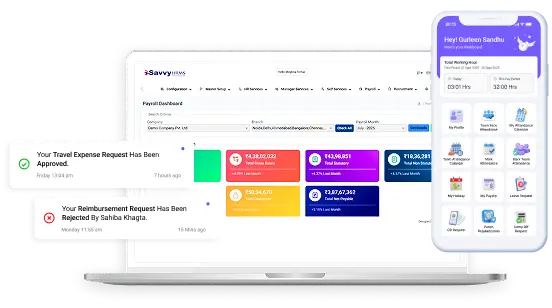
Creating an ethical workplace also requires the right HR tools. Savvy HRMS simplifies payroll, attendance, compliance, and employee management, helping businesses improve transparency, reduce manual errors, and build HR processes that employees can trust.









Ready to build a more ethical, compliant, and efficient workplace?
Explore Savvy HRMS today and transform the way you manage your people.