1. What is a learning management system and how does it work?
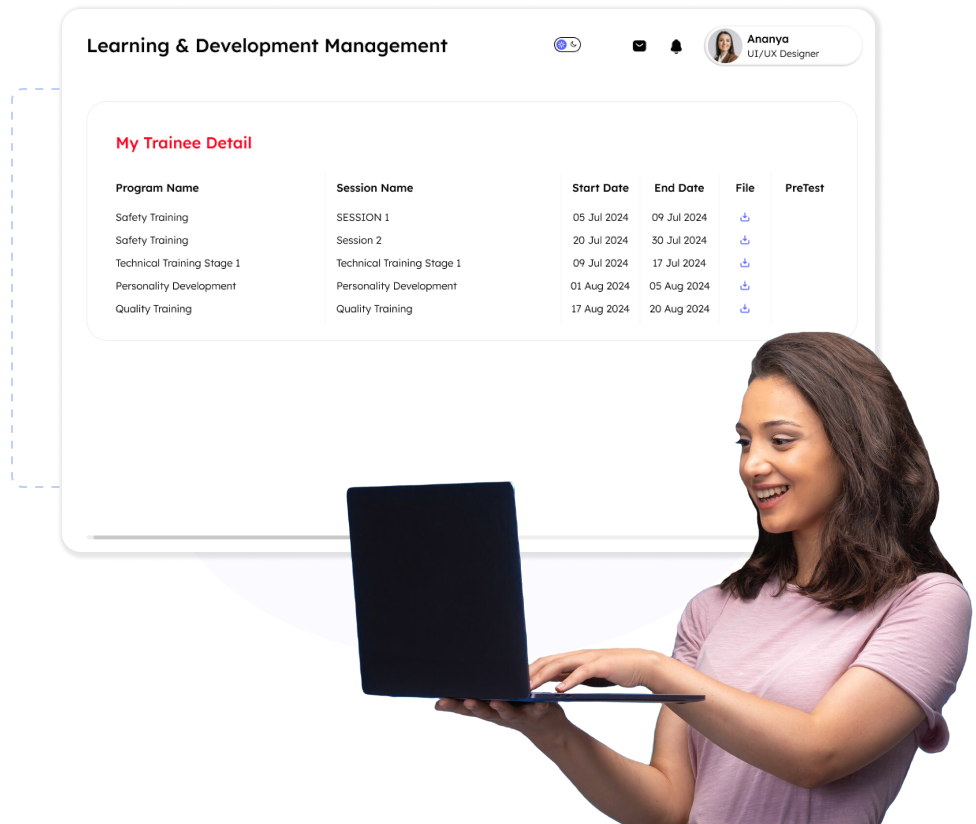
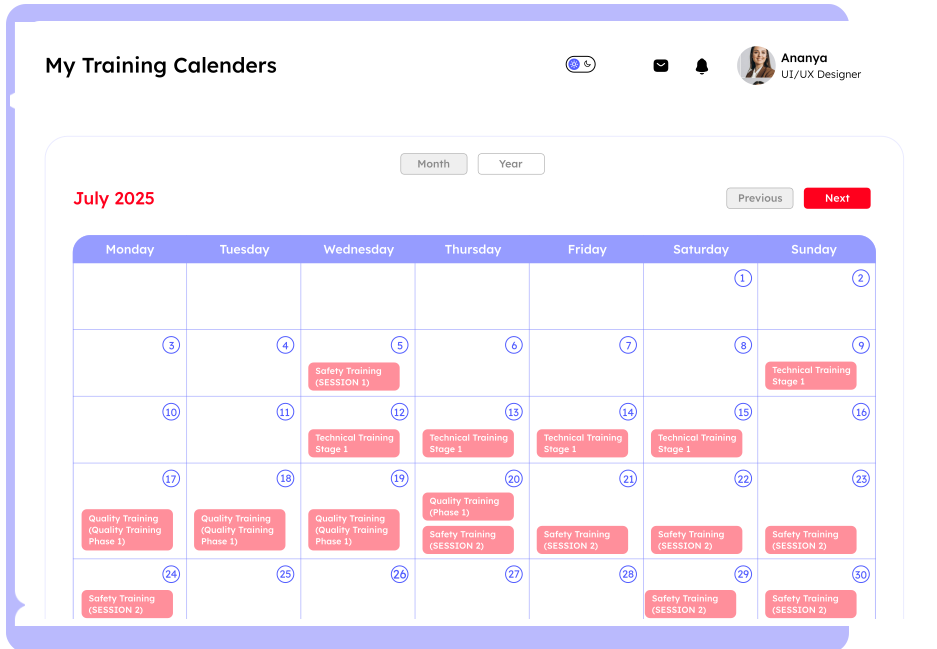
A learning management system (LMS) is the software for administering, documenting, tracking, reporting, and delivering training. HR develops and schedules courses or sessions and then assigns them to employees, tracking time, attendance, and test results. Learners can access the learning on any device, while managers and HR can monitor progress, ensuring the training remains organized, measured, and audited.
2. What is an LMS example?
An LMS example is a platform in which HR creates an induction, sets up courses, conducts pre- and post-tests, and takes reports of whatever has been done. However, one example of an LMS is the Savvy HRMS learning management system. It also introduces DOJO Training, QR-based attendance, an annual training plan, and reports linked with core HR records on the cloud platform.
3. What are the top 5 LMSs in India?
The rankings vary according to the company size, budget and training requirements, so one ranking may not work for all. Savvy HRMS is a good Indian alternative for DOJO Training, offering these modules on a single platform, including HRMS modules, induction, assessments, QR-based attendance and reporting. Check the features like mobile access and integrations and take the demo.
4. How do I build my own LMS?
Your list of requirements could include courses, assessments, attendance, and reports. Next, you need to decide on open source or custom development, the learner and admin experience, additional security, and reporting. Building your own LMS requires technical expertise, time, and continual maintenance, and most companies opt for a ready-to-go cloud service.
5. What are the best learning management systems for corporate training in India?
The right fit is appropriate for your workforce, your compliance requirements, and your budget. Savvy HRMS corporate learning management system supports role-based learning, a skill matrix, assessments, attendance, and reports through a single cloud-based LMS platform with local India support. Schedule a demo to evaluate it for your training needs.
6. What are the key benefits of implementing an LMS for employee training?
An LMS organizes training in one place, so HR can schedule sessions, monitor attendance, and measure results without spreadsheets. Employees get clear schedules and tests, managers see skill gaps, and leadership sees training ROI. This boosts skills, compliance, retention, and productivity while removing the manual effort of managing every program.
7. What are the essential features to look for in an academic learning platform?
An academic learning platform should offer course creation, flexible scheduling, online quizzes, attendance monitoring, and progress reports. Look for support for faculty development, student or staff assessments, and mobile access. Easy setup, secure data handling, and clear analytics also matter, since they help institutions plan programs and measure improvement for various cycles.
8. Where can I find free trial options for popular learning management systems?
Almost all LMS vendors provide free trials or demo requests on their website, generally on the pricing or contact us pages. They are usually 14 to 30 days and may restrict user numbers or features. Check out the course setup, assessments, reports, and support with your own training scenario.
9. What are the best open-source learning solutions for small businesses?
Open source means downloadable and flexible to adapt, but you need technical expertise to install, host, secure, and maintain it. Without an IT department to do this, a ready cloud service, like Savvy HRMS learning management system, is much more straightforward. You can have it up and running instantly, with induction, assessments, attendance, and reports from the moment it is installed.
10. Which learning management systems integrate with video conferencing tools?
Some learning management systems offer integrations with popular video conferencing solutions like Zoom, Microsoft Teams, and Google Meet. This allows trainers to set up live sessions, distribute access links, and track attendance within the LMS. Verify what tools are included and if they automatically sync recordings and attendance data prior to purchase.
11. What is the difference between an LMS and an employee training tracker?
A training tracker simply keeps track of attendance to particular courses, usually on a spreadsheet. An LMS takes it further: providing schedules, delivering online training, creating assessments, capturing feedback, and generating reports. This makes learning measurable and spares you the confusing task of compiling attendance figures and results.
12. Is a cloud-based learning management system secure?
Trusted cloud-based systems providers safeguard your data with role-based access, login protocols, encryption, and regular backups. Audit trail documentation reveals who accessed or modified records. Prior to selecting a vendor, confirm how they store, secure, and delete employee data, and who has access to it.
13. How much does a learning management system cost in India?
Pricing is based on the number of users, features, and whether setup and training are billed separately. The majority of cloud-based LMS vendors charge per user per month, with a possible implementation fee. Look for what's included, like assessments, analytics, reporting, and support, and get a quote for your headcount.
14. Can an LMS track training attendance and assessments?
Yes. An LMS tracks participation by the date of each course (check-in with QR codes) and conducts pre- and post-tests through available online templates. The scores and attendance records go into a report, so HR can track who participated, gains made, and skill gaps to target in the next course.
15. How does an LMS help with compliance training?
HR can schedule the sessions, assign them to the correct employees, and track attendance and test results. All the records are stored systematically and are searchable, saving the time required to hand-compile for any audit. Automated reminders and status reports further help to ensure no employee misses required compliance training.
16. Can an LMS support mobile learning?
Yes. Your mobile-friendly LMS enables your team to access their lessons, complete assessments, and check in wherever they are on the phone. It's important for teams on the move, shift workers, or remote workers who are unable to attend from their desk.
17. How do I choose the right LMS for a small or mid-sized business?
Prioritize your training requirements such as induction, compliance, or skills development. Then evaluate ease of use, assessments, reporting, mobile access, integrations, pricing, and support. Opt for a cloud-based system that can scale with your headcount, and test it through a demo or free trial.
18. What is the difference between an LMS and an LXP?
An LMS is administrator-led: HR selects courses, monitors completion rates, and reports on compliance. An LXP (learning experience platform) is learner-led: They recommend content based on users' interests, work responsibilities, and skills. Companies often implement an LMS to help with formal, compulsory training, then introduce an LXP to provide for independent learning.
19. How long does LMS implementation take?
Implementation time depends on how many employees and locations your business has and the amount of training data to be configured. It generally involves configuring courses, calendars, assessments, and user roles; importing employee data; and training administrators. A good vendor helps you with the setup and testing.
20. Does Savvy HRMS provide a learning management system in India?
Yes, Savvy HRMS offers a learning management system for companies in India, Noida and Delhi NCR. It manages the training plan, induction, sessions, attendance, assessment, and reporting, and so on, on one platform, with support and training from the Savvy HRMS team.