

How to Negotiate Salary with HR: Tips, Strategies, and Sample Scripts for a Better Offer



-
AuthorRuchika Rajput
-
 Last Updated
July 02, 2026
Last Updated
July 02, 2026
-
 Reading Time
8 Mins
Reading Time
8 Mins
Talking about money can feel awkward. Many professionals hesitate when it comes to discussing compensation, even after receiving a job offer. Some fear that asking for more might make them look demanding, while others simply don’t know where to begin. The truth is, salary discussions are a normal part of the hiring process, and most employers expect candidates to have them.
If you have ever wondered how to negotiate salary with HR, you’re not alone. Whether you are a fresher entering the workforce or an experienced professional switching jobs, learning the art of salary negotiation can help you secure a package that reflects your skills and experience.
In this blog, we will discuss the salary negotiation meaning, why it matters, practical tips on how to negotiate salary, sample scripts you can use, and common mistakes you should avoid. We’ll also explore how HR technology can help employees and organizations make compensation discussions more transparent and data-driven.
What Is Salary Negotiation?
Before discussing strategies, let’s first understand the salary negotiation meaning.
Salary negotiation is the process of discussing and agreeing on compensation between an employer and an employee or candidate. It involves talking about salary expectations, bonuses, benefits, incentives, flexible work arrangements, and other components of a compensation package.
In simple terms, salary negotiation is a professional conversation where both parties aim to reach a fair agreement.
Just opposite to popular belief, salary negotiation isn’t about demanding more money. Instead, it’s about understanding your market value and communicating it confidently.
Why Is Salary Negotiation Important?
Many candidates accept the first offer they receive without any discussion. While this may seem easier, it can result in missed opportunities.
Here’s why salary negotiation is important:
1. Helps You Receive Fair Compensation
Your salary should reflect your experience, skills, certifications, and contributions. Negotiating allows you to ensure you are being compensated fairly.
2. Impacts Future Earnings
Your starting salary often influences future raises, bonuses, and promotions. Even a small increase today can have a long-term impact on your overall earnings.
3. Shows Confidence and Professionalism
Employers appreciate candidates who understand their worth and can communicate professionally. Effective salary negotiation demonstrates confidence and preparation.
4. Encourages Transparency
Salary discussions create clarity between employers and employees, helping both parties establish realistic expectations from the beginning.
How to Negotiate Salary?
If you’re wondering how to negotiate salary with HR, preparation is key. Here are some practical strategies that can help.
1. Research Industry Salary Standards
Before discussing compensation, understand the market rate for your role.
Research factors such as:
- Industry standards
- Geographic location
- Years of experience
- Skills and certifications
- Company size
Having market data strengthens your position during salary discussions.
2. Know Your Worth
Evaluate your:
- Technical skills
- Professional achievements
- Certifications
- Leadership experience
- Past performance
Think about the value you bring to the organization and how your expertise can contribute to business growth.
3. Determine Your Salary Range
Instead of focusing on one fixed number, prepare a realistic salary range.
For example:
- Desired salary: ₹12 LPA
- Acceptable range: ₹11 – 13 LPA
This gives room for discussion and flexibility.
4. Wait for the Right Time
Timing matters when learning how to negotiate salary.
The best time to discuss compensation is:
- After receiving a job offer
- During annual appraisals
- After a promotion
- During role expansion
Avoid bringing up salary too early in the interview process.
5. Be Confident and Professional
Confidence doesn’t mean being aggressive.
You can say:
“Thank you for the offer. I’m excited about this opportunity. Based on my experience and current market standards, I was hoping we could discuss a compensation package closer to ₹14 LPA.”
Being polite and professional creates a positive impression.
6. Highlight Your Value
Instead of focusing only on your financial needs, explain what you bring to the company.
Mention:
- Revenue contributions
- Project achievements
- Certifications
- Leadership skills
- Specialized expertise
Employers are more likely to offer higher compensation when they understand the value you will deliver.
7. Consider the Entire Compensation Package
Salary is just one part of the equation.
Also evaluate:
- Bonuses
- Performance incentives
- Health insurance
- Work-from-home options
- Paid leave
- Learning opportunities
- Retirement benefits
Sometimes, a slightly lower salary can be balanced with attractive benefits.
Salary Negotiation Tips for Experienced Professionals
Experienced professionals often have more leverage during salary discussions because they bring proven skills and achievements to the table. However, knowing how to negotiate salary with HR effectively can make all the difference.
1. Highlight Your Achievements
Don’t just talk about your years of experience. Talk about the impact you have created.
For example:
- Revenue growth you’ve contributed to
- Projects you’ve successfully led
- Cost-saving initiatives
- Process improvements
- Team management experience
Numbers and measurable achievements always strengthen your case.
2. Research Current Market Trends
The job market changes constantly. Before discussing compensation, understand what professionals with similar experience are earning.
Consider factors such as:
- Industry demand
- Location
- Certifications
- Specialized skills
- Company size
Having market data makes salary negotiation more objective and professional.
3. Don’t Reveal Your Expectations Too Early
If possible, wait until you receive an offer before discussing compensation.
This gives you:
- More negotiating power
- Better understanding of the role
- An opportunity to evaluate the complete package
4. Think Beyond Base Salary
Compensation isn’t just about the fixed salary.
You can negotiate:
- Joining bonuses
- Performance bonuses
- Flexible working arrangements
- Additional paid leaves
- Learning and development opportunities
- Stock options
- Health benefits
5. Stay Professional Throughout the Process
Salary negotiation should always feel like a conversation, not a conflict.
Remember:
- Be respectful.
- Listen carefully.
- Avoid ultimatums.
- Be flexible and realistic.
Sample Scripts for Negotiating Salary with HR
Knowing what to say can make salary discussions much easier. Here are a few sample scripts you can use.
1. Sample Script for a Phone Call
“Thank you for offering me this opportunity. I’m genuinely excited about joining the organization. Based on my experience, skill set, and current market standards, I was expecting a package in the range of ₹15 – 16 LPA. Is there any flexibility to discuss the compensation?”
2. Sample Script for Email Salary Negotiation
Subject: Discussion Regarding Compensation Package
Hi [HR Name],
Thank you for extending the offer and for considering me for this role. I am excited about the opportunity and look forward to contributing to the organization.
After reviewing the offer and considering my experience, skills, and industry benchmarks, I was hoping we could discuss the compensation package. Based on my background and market standards, I believe a package closer to ₹15 LPA would better align with the value I can bring to the role.
I appreciate your time and look forward to discussing this further.
Best Regards,
[Your Name]
3. Sample Script for In-Person Discussions
“I appreciate the offer and am excited about this role. Based on my experience and the responsibilities involved, I was expecting compensation closer to ₹14 LPA. Is there room for discussion regarding the package?”
Simple, confident, and professional, that’s the key to successful salary negotiation.
Common Salary Negotiation Mistakes to Avoid
Even experienced professionals make mistakes during salary discussions. Here are some common ones to avoid.
1. Accepting the First Offer Immediately
Many candidates accept the first offer without exploring whether there’s room for negotiation.
Remember, employers often expect candidates to negotiate.
2. Negotiating Without Research
Walking into a salary discussion without understanding market rates can weaken your position.
Always support your expectations with data and industry benchmarks.
3. Being Too Aggressive
Salary negotiation is a discussion, not a battle.
Avoid statements like:
- “I won’t join unless you increase the salary.”
- “Your offer is too low.”
Instead, focus on collaboration and professionalism.
4. Talking Only About Personal Expenses
HR teams are interested in the value you bring, not your monthly bills.
Instead of saying:
“I need more because my expenses have increased.”
Say:
“Based on my experience and market benchmarks, I believe a revised compensation would better reflect the value I can contribute.”
5. Ignoring the Overall Benefits Package
Sometimes bonuses, insurance, work flexibility, and learning opportunities can significantly increase the overall value of an offer.
Don’t focus only on the base salary.
How Can HR Software Help You Prepare for Salary Conversations?
Compensation discussions are becoming more data-driven, and modern HR software plays a major role in making them transparent and effective.
Here’s how HR technology helps both employees and organizations:
1. Performance Tracking
HR software maintains records of:
- KPIs
- Goals
- Achievements
- Appraisals
- Feedback
These insights help employees present their accomplishments during salary discussions.
2. Compensation Planning
Organizations can manage:
- Salary structures
- Incentives
- Bonuses
- Increment cycles
This ensures fair and consistent compensation decisions.
3. Better Transparency
Modern HR systems provide managers and HR teams with accurate employee data, making salary discussions more objective and less subjective.
4. Workforce Analytics
Companies can use analytics to:
- Identify top performers
- Plan salary revisions
- Benchmark compensation
- Improve retention
Conclusion
Learning how to negotiate salary with HR can help you secure a compensation package that reflects your skills and experience. With the right preparation, market research, and communication, salary negotiation becomes a valuable skill for achieving better career growth.
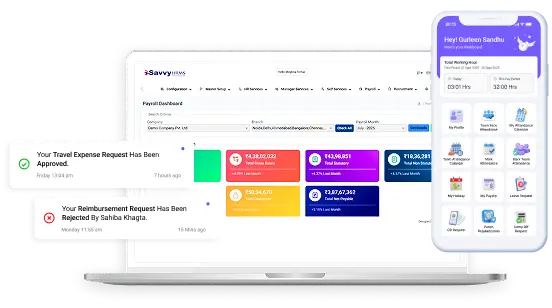
For organizations, tools like Savvy HRMS simplify payroll, performance management, and compensation planning, enabling fair and data-driven decisions.










Ready to Simplify Your HR Processes?
Discover how Savvy HRMS can help your organization simplify payroll, performance management, and compensation planning.