

Weekly Off: HR Policy Guidelines for Modern Businesses



-
AuthorRuchika Rajput
-
 Last Updated
June 17, 2026
Last Updated
June 17, 2026
-
 Reading Time
8 Mins
Reading Time
8 Mins
Why is the policy of a weekly off counted as the most important among other policies for employees and employers?
The policy of weekly off not only provides an opportunity for employees to rest but also to keep themselves energized during the whole week and stay productive. Such a policy can also contribute to the improvement of employee satisfaction, reduce the possibility of burnout, and enhance workplace effectiveness.
In the modern work environment, it becomes increasingly important for organizations to care about the well-being of their employees and comply with labour legislation. That is why a clear weekly off policy can be beneficial.
What is Weekly Off?
Weekly Off is a term used to describe a day off given to employees after working continuously for a number of days. In other words, the meaning of weekly off can be stated as a resting day provided every week to employees to rest.
Generally, most organizations give one weekly off every week, mostly Sundays. But, according to the type of industry, nature of business operations, and shifts, organizations can provide rotating weekly off or any other form of weekly off.
Weekly off is normally provided to employees under labour laws or HR policies. Under Indian Labour Laws, employers are required by law to give their employees at least one weekly off after working for a certain number of days.
For example:
- Corporate offices usually provide Saturday-Sunday or Sunday-only week offs.
- Retail businesses may provide rotational weekly offs.
- Manufacturing industries often follow shift-based schedules.
- Healthcare and customer support sectors may use staggered week-off systems.
A proper weekly off structure improves employee morale and helps businesses manage workforce productivity effectively.
Why Do Companies Provide Weekly Off?
Organizations offer a week off since continuous work without proper rest may harm the health, efficiency, and performance of workers in the workplace.
Workers who are always working for long periods without any breaks are likely to be fatigued, stressed, unable to concentrate, and even burnt out.
Here are some major reasons why organizations provide weekly off policies:
1. Improves Employee Productivity
Employees tend to be more efficient in their tasks when provided with proper rest periods. Taking a weekly day off ensures that employees come to work fully energised and motivated.
2. Supports Work-Life Balance
Contemporary workers need to have personal space. Having a weekly off provides room for them to attend to personal matters and live healthier lives.
3. Reduces Workplace Stress
Workers can effectively balance their lives by taking regular intervals of rest and recreation. This helps minimise their mental strain and stress levels in the workplace.
4. Ensures Labour Law Compliance
Most labor laws require employers to give their employees one day off per week. Employers should comply with such rules in order to stay legally covered.
5. Improves Employee Retention
Organizations with employee-friendly policies often experience lower attrition rates. A fair week off policy helps improve overall employee experience.
Why Is Weekly Off Important for Employees and Employers?
A weekly off benefits both employees and employers in multiple ways. It is not just an HR policy but an essential part of workforce management.
Importance of Weekly Off for Employees:
1. Better Physical and Mental Health
Continuous work pressure can impact employee well-being. Weekly off helps employees rest and recover.
2. Increased Job Satisfaction
Employees appreciate organizations that value their personal time and work-life balance.
3. Higher Motivation Levels
A proper week off schedule keeps employees motivated and more productive during working days.
4. Reduced Burnout
Employees who regularly receive weekly off days are less likely to feel exhausted or emotionally drained.
Importance of Weekly Off for Employers:
1. Improved Productivity
Well-rested employees tend to work more efficiently and make fewer errors.
2. Better Attendance Management
Employees with balanced work schedules usually show improved attendance and punctuality.
3. Stronger Company Culture
A fair and transparent weekly off policy creates trust between employees and management.
4. Enhanced Employer Branding
Modern businesses that prioritise employee well-being attract better talent and improve retention.
Weekly off policies ultimately create a healthier and more sustainable work environment for everyone.
What Are the Weekly Off Rules and Policies in Different Work Environments?
Weekly off rules may vary depending on the industry, nature of work, and operational requirements. Different sectors follow different week-off policies to maintain business continuity.
1. Corporate Offices
Corporate organizations tend to offer:
- Saturday & Sunday Offs
- Alternate Saturdays Offs
- Consistent Sunday Offs
This kind of arrangement is typical in IT organizations, startups, and professional service organizations.
2. Retail & Hospitality Industry
Organizations in this sector work every day of the week. They may be offered:
- Rotating a week off each week
- Split shift work with rotating week offs
- Flexible week offs
3. Factories
Workplaces in factories have strict labor law practices in place. Their employees could be provided:
- Week offs after working for six days in the week
- Shift work week offs
- Compensatory week offs
4. Healthcare Industry
Healthcare facilities work continuously and require uninterrupted services. Their week off arrangement includes:
- Rotating shifts
- Alternating week offs
- Emergency duty arrangements
5. Remote Working
Modern companies with remote arrangements have come up with flexible week offs in order to:
- Offer flexible week offs
- Provide a four-day work week
- Have wellness leave arrangements
Various work environments have different week-off arrangements.
How to Implement Weekly Off Policies in an Organization?
Implementing a proper weekly off policy requires planning, communication, and HR coordination. A structured approach helps businesses avoid scheduling conflicts and compliance issues.
1. Create a Clear HR Policy
Define:
- Weekly off eligibility
- Rotational schedules
- Shift rules
- Overtime policies
- Compensatory off guidelines
Employees should clearly understand the company’s week off structure.
2. Follow Labour Law Requirements
Ensure the policy complies with applicable labour laws and state regulations regarding working hours and weekly rest days.
3. Use HRMS Software for Scheduling
Managing employees’ weekly offs manually can become complicated for growing businesses.
Modern HRMS software helps companies:
- Track weekly offs
- Manage attendance
- Schedule shifts
- Automate leave management
- Generate payroll accurately
Using HR technology reduces administrative workload and improves accuracy.
4. Maintain Workforce Balance
Organizations should ensure that weekly off schedules do not affect productivity or business operations.
Managers can use rotational planning to maintain adequate staffing.
5. Communicate Policies Clearly
Employees should receive proper communication regarding:
- Weekly off schedules
- Shift timings
- Attendance expectations
- Compensatory off rules
Transparent communication prevents confusion and workplace disputes.
What Is the Difference Between Weekly Off & Paid Leave?
Many employees often confuse weekly off and paid leave. Although both provide time away from work, they are completely different concepts.
| Weekly Off | Paid Leave |
| A fixed scheduled rest day | Leave requested by employees |
| Usually provided every week | Provided based on leave balance |
| Automatically included in work schedules | Requires approval in many cases |
| Mandatory under labour laws | It depends on the company’s leave policy |
| Example: Sunday off | Example: Casual Leave or Sick Leave |
A weekly off is part of the normal work schedule, while paid leave is additional leave provided under company policies.
For example:
- An employee’s Sunday holiday is considered a weekly day off.
- If the employee takes leave on Monday, it may count as paid leave.
Understanding this difference helps employees and HR teams manage attendance and payroll correctly.
Best Practices for Managing Weekly Off Policies
Modern businesses can improve employee experience and operational efficiency by following these best practices:
1. Create a Clear and Transparent Weekly Off Policy
It is crucial to provide clear information regarding weekly off policies, their eligibility criteria, rotation schedules, and attendance rules to enable employees to understand corporate policies properly.
2. Use HRMS Software for Automated Scheduling
With HRMS software, companies can automate the process of scheduling weekly off, monitoring employee attendance, and managing shifts in an efficient manner.
3. Ensure Compliance with Labour Laws
Organizations should regularly assess the current labour law to make sure that they comply with all requirements to prevent any problems.
4. Maintain Proper Workforce Planning
Managers need to properly distribute employees’ weekly off days in order to maintain the proper operation of the organization and avoid disruptions.
5. Offer Flexible Weekly Off Options
Organizations may introduce flexible weekly off opportunities to improve employee well-being and boost productivity at workplaces.
6. Communicate Weekly Off Schedules Clearly
Sharing the schedule with workers in advance would help eliminate any misunderstanding and help workers prepare for the upcoming week-offs.
7. Monitor Employee Workload and Burnout
In order to promote employee well-being, HR specialists should assess employee workload and identify possible sources of stress and anxiety.
Conclusion
A well-structured weekly off policy is important for every modern business. It supports employee well-being, improves productivity, ensures labour law compliance, and helps organizations create a balanced work environment.
As businesses continue adopting flexible and employee-centric workplace models, managing weekly offs efficiently has become more important than ever. Companies that prioritize proper week-off management often experience better employee engagement and operational efficiency.
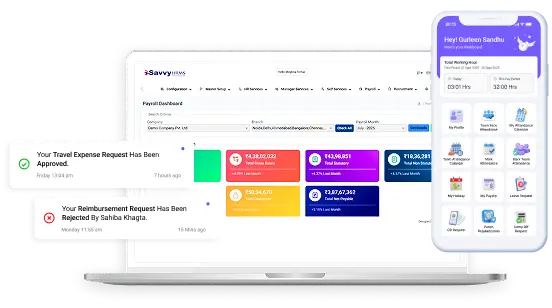
Modern HR technology platforms like Savvy HRMS help businesses simplify attendance management, automate weekly off tracking, simplify payroll processes, and improve workforce scheduling with ease.
With smart HRMS solutions, organizations can reduce manual errors, ensure compliance, and create a more efficient employee management system for modern workplaces.
Looking to simplify weekly off management, attendance tracking, and payroll processes?
Explore Savvy HRMS and build a smarter, more employee-friendly workplace today.
Book a Free Demo Today