



Is your organization digitally transformed, or is it truly AI-ready?
Many businesses have invested in digital tools, automated routine HR tasks, and adopted cloud-based HR systems over the last few years. While these initiatives have improved efficiency, they represent only the first stage of modern workplace transformation. Today, organizations are entering a new era where artificial intelligence (AI) is reshaping how people work, collaborate, and make decisions.
Building an AI-ready organization goes far beyond implementing new technology. It requires a workforce equipped with the right skills, leaders who embrace innovation, reliable data, and HR strategies that support continuous learning and change. In this guide, we’ll explore what AI readiness means, why HR transformation must evolve beyond digitalization, and how organizations can prepare for an AI-powered future.
What Is an AI-Ready Organization?
An AI-ready organization is one that has the technology, people, processes, and culture needed to successfully adopt and scale artificial intelligence across the business. Instead of viewing AI as a standalone tool, these organizations integrate it into everyday operations to improve productivity, decision-making, and employee experiences.
Being AI-ready isn’t about replacing employees with machines. Rather, it’s about enabling employees to work smarter by automating repetitive tasks, generating valuable insights from data, and allowing HR teams to focus on strategic initiatives.
An AI-ready organization generally has:
- Modern digital infrastructure
- High-quality and centralized data
- Employees with AI and digital skills
- Leadership committed to innovation
- Strong governance for ethical AI usage
Organizations that invest in these areas are better positioned to adapt to changing business demands while remaining competitive in an increasingly technology-driven world.
Why HR Transformation Must Evolve Beyond Digitalization?
For many organizations, HR transformation began with digitizing employee records, automating payroll, introducing self-service portals, and implementing HRMS platforms. While these improvements simplified HR operations, they no longer provide a significant competitive advantage on their own.
The modern workforce expects personalized experiences, faster communication, continuous learning opportunities, and data-driven career development. Meeting these expectations requires HR teams to leverage AI alongside digital technologies.
AI can help HR professionals:
- Identify hiring trends using predictive analytics.
- Recommend personalized learning paths.
- Forecast employee turnover.
- Improve workforce planning.
- Enhance employee engagement through intelligent insights.
Digitalization focused on replacing paper-based processes. AI transformation focuses on making better decisions using data and intelligence. This shift marks the next phase of HR transformation.
Key Characteristics of an AI-Ready Organization
Organizations that successfully adopt AI usually share several important characteristics.
1. Data-Driven Decision Making
Reliable employee data forms the foundation of every AI initiative. Organizations with centralized and accurate HR data can generate meaningful workforce insights and improve business planning.
2. Continuous Learning Culture
Technology evolves rapidly, making continuous learning important. AI-ready organizations encourage employees to develop new digital and analytical skills through regular training and upskilling programs.
3. Agile Leadership
Successful AI adoption requires leaders who embrace innovation, support experimentation, and encourage employees to adapt to change instead of resisting it.
4. Employee-Centric Approach
AI should improve employee experiences rather than complicate them. From personalized onboarding to career recommendations, organizations should ensure AI enhances workplace satisfaction.
5. Strong Governance
Responsible AI implementation requires clear policies around data privacy, security, transparency, and compliance. Ethical AI practices help build trust among employees.
The Role of HR in Building an AI-Ready Workforce
HR plays one of the most important roles in preparing organizations for AI adoption. While IT teams manage the technology, HR ensures employees are ready to use it effectively.
One of HR’s biggest responsibilities is identifying future skill requirements. As AI transforms job roles, employees need opportunities to learn new technical, analytical, and problem-solving skills.
HR can support AI readiness by:
- Conducting workforce skills assessments.
- Designing AI-focused learning programs.
- Encouraging continuous reskilling and upskilling.
- Supporting change management initiatives.
- Creating a culture that embraces innovation.
- Communicating the benefits of AI to employees.
HR leaders must also address employee concerns about AI replacing jobs. Clear communication helps employees understand that AI is designed to enhance human capabilities rather than eliminate them.
When employees feel informed and supported, they’re more likely to adopt new technologies confidently.
How AI Is Transforming Core HR Functions?
Artificial intelligence is changing nearly every aspect of human resources.
1. Recruitment
AI-powered recruitment software can screen resumes, match candidates with job requirements, schedule interviews, and even predict candidate success based on historical hiring data.
2. Employee Onboarding
AI chatbots can answer new hire questions, guide employees through documentation, and deliver personalized onboarding experiences.
3. Learning and Development
AI recommends customized learning programs based on employee roles, career goals, and skill gaps, making professional development more relevant and engaging.
4. Performance Management
Instead of depending only on annual reviews, AI helps managers analyze ongoing performance data, identify improvement opportunities, and provide continuous feedback.
5. Employee Engagement
AI analyzes employee surveys and workplace feedback to detect engagement trends, helping HR address issues before they affect productivity or retention.
6. Workforce Planning
Predictive analytics enables HR teams to forecast hiring needs, identify succession planning opportunities, and optimize workforce allocation.
These capabilities allow HR professionals to spend less time on administrative work and more time supporting employees and business growth.
Common Challenges in Becoming an AI-Ready Organization
Although AI offers significant benefits, organizations often experience issues during implementation.
1. Resistance to Change
Employees may hesitate to adopt AI due to fear of job displacement or unfamiliarity with new technologies.
2. Skills Gap
Many organizations lack employees with sufficient AI knowledge, making training and upskilling essential.
3. Poor Data Quality
AI depends on accurate and consistent data. Incomplete or outdated employee information can reduce the effectiveness of AI-powered insights.
4. Budget Constraints
Implementing AI solutions requires investment in technology, employee training, and change management, which may challenge smaller organizations.
5. Privacy and Compliance
Organizations must ensure employee data is collected, stored, and used responsibly while complying with applicable data protection regulations.
Recognizing these challenges early allows HR leaders to create strategies that reduce implementation risks.
Strategies to Build an AI-Ready Organization
Preparing for AI transformation requires careful planning and long-term commitment.
1. Assess Current Readiness
Evaluate existing HR technology, workforce skills, and organizational culture to identify improvement areas.
2. Invest in Employee Development
Provide ongoing AI education, digital literacy programs, and leadership training to help employees adapt confidently.
3. Strengthen Data Management
Maintain clean, centralized, and secure employee data to support accurate AI insights.
4. Encourage Cross-Functional Collaboration
HR, IT, operations, and business leaders should work together when planning AI initiatives to ensure successful implementation.
5. Start Small
Instead of introducing AI across every HR function at once, begin with specific use cases such as recruitment automation or workforce analytics before expanding.
6. Promote Transparent Communication
Regularly explain why AI is being introduced, how it benefits employees, and what support resources are available during the transition.
Small, well-planned initiatives often produce stronger long-term results than large-scale implementations introduced too quickly.
How HR Technology Enables AI Readiness?
Modern HR technology serves as the foundation for AI transformation.
Cloud-based HRMS platforms centralize employee information, automate repetitive tasks, and provide real-time workforce data that AI systems depend on for accurate analysis.
Advanced HR technology supports AI readiness by:
- Creating a single source of employee data.
- Automating routine HR processes.
- Providing workforce analytics and dashboards.
- Supporting employee self-service.
- Improving compliance and data security.
- Enabling scalable digital transformation.
Organizations using integrated HR technology are better prepared to introduce AI-powered capabilities without disrupting existing HR operations.
Rather than viewing HRMS as simply an administrative tool, organizations should see it as the infrastructure that supports future AI innovation.
Best Practices for Successful AI Adoption in HR
Successful AI implementation depends on balancing technology with people.
Some best practices include:
- Develop a clear AI adoption roadmap.
- Focus on solving real business challenges.
- Involve employees early in the implementation process.
- Provide regular AI and digital skills training.
- Measure outcomes using HR metrics and analytics.
- Monitor AI systems for fairness and accuracy.
- Continuously improve AI initiatives based on employee feedback.
Organizations that prioritize transparency, collaboration, and continuous learning are far more likely to achieve successful AI adoption.
Conclusion
The future of HR transformation is no longer just about going digital; it’s about becoming AI-ready. Organizations that combine intelligent technology with a skilled workforce, quality data, and a culture of continuous learning will be better equipped to adapt, innovate, and stay competitive in an AI-driven business landscape.
The journey doesn’t have to be confusing. With the right HR technology as your foundation, you can simplify HR operations, gain actionable workforce insights, and create a workplace that’s ready for the next wave of innovation. Savvy HRMS empowers businesses with intelligent HR solutions that simplify people management, automate routine processes, and provide the data-driven capabilities needed to support AI readiness. Whether you’re beginning your digital transformation or preparing for AI adoption, Savvy HRMS helps you build a smarter, more agile, and future-ready organization.

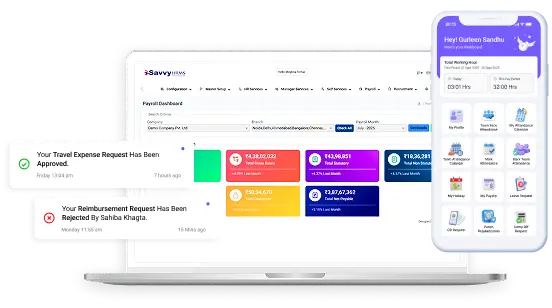









Ready to transform your HR function for the AI era?
Explore how Savvy HRMS can help you build an AI-ready organization.