




Imagine your business is growing continuously, but you’re still struggling to pay suppliers or cover monthly payroll on time. This situation is more common than many businesses realize and is often the result of poor cash flow management rather than a lack of profitability.
Effective working capital management helps businesses maintain the right balance between cash, receivables, inventory, and payables. In this blog, we will explore how it works, why it matters, and the best strategies to manage working capital effectively in 2026.
What is Working Capital Management?
Working capital management is the process of managing a company’s short-term assets and liabilities to ensure it has enough cash to meet its daily operational expenses.
Simply put, it’s about maintaining the right balance between:
- Cash
- Accounts receivable (money customers owe)
- Inventory
- Accounts payable (money the business owes suppliers)
The goal is simple: keep the business financially stable while making the best possible use of available resources.
The basic formula for working capital is:
| Working Capital = Current Assets – Current Liabilities |
If the result is positive, the business generally has enough resources to cover its short-term obligations. If it’s negative, the company may face liquidity issues that could impact day-to-day operations.
Good working capital management ensures that businesses can continue operating without unnecessary financial stress while also creating opportunities for future growth.
Why is Working Capital Management Important?
A healthy working capital position directly affects a company’s ability to operate efficiently and grow sustainably.
Here are some of the biggest reasons why working capital management matters:
1. Maintains Healthy Cash Flow
Good cash flow ensures that your business operates without interruption. Good working capital management is important in making sure that there is enough money to pay all the bills.
2. Supports Daily Business Operations
All businesses require that their employees be paid, as well as their inventory and vendor bills. It is the role of good working capital management to ensure that these costs are covered without any disruptions in business operations.
3. Improves Financial Stability
Effective working capital management gives businesses the financial strength to face unforeseen expenditures, seasonality, and other problems that may arise.
4. Builds Better Vendor Relationships
Consistent payments make way for trust and better relations. They can enable organizations to secure favorable terms, discounts, and assistance from suppliers along the supply chain.
5. Enables Business Growth
Businesses can expand and invest in technology, people, and innovation without burdening their cash flow management with demanding processes when cash is managed effectively.
6. Reduces Borrowing Costs
Organizations will incur fewer interest expenses as a result of efficient working capital management, which reduces their dependency on loans.
What are the Key Components of Working Capital Management?
Working capital management consists of several interconnected elements. Optimizing each component contributes to better financial performance.
1. Cash Management
Cash is the lifeblood of every business.
Effective cash management involves:
- Monitoring cash inflows and outflows
- Maintaining adequate cash reserves
- Forecasting future cash requirements
- Avoiding unnecessary idle cash
A well-planned cash management strategy helps businesses remain financially prepared without keeping excessive funds unused.
2. Accounts Receivable Management
Accounts receivable refers to payments customers still owe the business.
Efficient receivable management includes:
- Sending invoices promptly
- Offering multiple payment options
- Setting clear payment terms
- Following up on overdue payments
- Reducing outstanding receivables
The faster invoices are collected, the stronger the company’s cash flow becomes.
3. Inventory Management
Holding too much inventory locks up valuable cash, while too little inventory can result in lost sales.
Businesses should focus on:
- Maintaining optimal stock levels
- Forecasting demand accurately
- Eliminating slow-moving inventory
- Using inventory management software
Balanced inventory management helps free up working capital.
4. Accounts Payable Management
Accounts payable represent the company’s outstanding obligations to suppliers.
Good payable management involves:
- Paying invoices on time
- Negotiating favorable payment terms
- Taking advantage of early payment discounts
- Avoiding late payment penalties
Managing payables strategically allows businesses to preserve cash without damaging supplier relationships.
5. Short-Term Financing
Businesses sometimes require temporary funding during seasonal fluctuations or periods of rapid growth.
Options include:
- Business overdrafts
- Short-term loans
- Trade credit
- Working capital financing
The objective is to use short-term financing wisely without unnecessarily increasing financial risk.
How Does Working Capital Management Work?
Working capital management is an ongoing process rather than a one-time activity.
Here’s how it generally works:
Step 1: Monitor Current Assets and Liabilities
Businesses regularly review their financial position by tracking available cash, receivables, inventory, and upcoming liabilities.
Step 2: Forecast Cash Flow
Cash flow forecasting helps estimate future income and expenses, allowing businesses to prepare for potential cash shortages before they occur.
Step 3: Improve Receivable Collection
Businesses encourage faster customer payments through automated invoicing, reminders, and clearly defined payment terms.
Step 4: Optimize Inventory
Companies continuously monitor inventory levels to avoid overstocking or stock shortages.
Step 5: Manage Supplier Payments
Businesses schedule payments strategically while maintaining positive supplier relationships.
Step 6: Analyze Working Capital Metrics
Finance teams regularly monitor important indicators such as:
- Working Capital Ratio
- Current Ratio
- Cash Conversion Cycle
- Inventory Turnover Ratio
- Days Sales Outstanding (DSO)
- Days Payable Outstanding (DPO)
These metrics help identify opportunities for improvement and support better financial decision-making.
Common Challenges in Working Capital Management and How to Solve Them
Despite careful planning, businesses often face challenges that affect their working capital.
1. Poor Cash Flow Forecasting
Without accurate forecasting, businesses may experience unexpected cash shortages.
Solution:
Use forecasting tools and regularly update cash flow projections based on current business performance.
2. Delayed Customer Payments
Late payments directly reduce available cash.
Solution:
- Send invoices immediately
- Automate payment reminders
- Offer online payment options
- Establish clear payment policies
3. Excess Inventory
Overstocking ties up cash that could be invested elsewhere.
Solution:
- Improve demand forecasting
- Review inventory regularly
- Remove outdated stock
- Adopt inventory optimization techniques
4. High Operational Costs
Uncontrolled expenses reduce available working capital.
Solution:
- Conduct regular expense reviews
- Automate repetitive tasks
- Improve operational efficiency
- Eliminate unnecessary spending
5. Inefficient Payroll Processes
Manual payroll often results in processing delays, compliance risks, and administrative inefficiencies.
Solution:
Implement automated payroll and HR systems that improve accuracy while reducing operational costs.
6. Limited Financial Visibility
Businesses sometimes struggle because financial data is spread across multiple systems.
Solution:
Use integrated business software that provides real-time financial reporting and dashboards.
What are the Best Practices for Managing Working Capital?
Successful businesses consistently follow proven strategies to improve their working capital.
1. Monitor Cash Flow Regularly
Monitoring the cash flows frequently can help businesses detect any cash shortages that could possibly occur, make wise decisions, and ensure enough cash for daily transactions.
2. Speed Up Accounts Receivable
This involves getting the customers to pay their accounts by issuing timely invoices and using easy payment methods.
3. Optimize Inventory Levels
It is advisable to have the optimum level of inventory in order to ensure that there are no excess or shortages in the inventory.
4. Manage Accounts Payable Strategically
This involves paying the suppliers of goods on time and getting favorable terms of payment where possible.
5. Forecast Cash Flow Accurately
Plan and forecast the cash flow needs to predict future finances, see possible loopholes, and take necessary actions to ensure sustainability and growth.
6. Reduce Unnecessary Business Expenses
Evaluate the operational cost and cut out any unnecessary expenditures. This will help you save money, which will be useful in your business operations.
7. Leverage Automation and Technology
Implement accounting and other related software to automate tasks and eliminate mistakes, and thus make faster business decisions.
8. Review Financial Performance Regularly
Keep track of important financial indicators such as working capital ratio, current ratio, and cash conversion cycle.
How HR Contributes to Better Working Capital Management?
Although working capital management is often viewed as a finance function, HR also has a significant impact on a company’s financial health.
Here’s how HR contributes to better working capital management:
1. Efficient Payroll Management
Payroll is one of the largest recurring business expenses. Accurate payroll processing ensures employees are paid correctly and on time while avoiding costly errors, penalties, or overpayments.
2. Better Workforce Planning
Hiring too many employees increases salary costs, while understaffing can reduce productivity. Strategic workforce planning helps businesses maintain the right balance between operational needs and labor expenses.
3. Attendance and Leave Management
Accurate attendance tracking minimizes payroll discrepancies, reduces unnecessary overtime costs, and ensures employees are compensated fairly.
4. Faster Employee Onboarding
Efficient onboarding enables new hires to become productive sooner, maximizing the return on recruitment investments.
5. Compliance Management
HR ensures compliance with labor laws, statutory requirements, and payroll regulations. Avoiding penalties and legal disputes helps protect the company’s working capital.
6. Employee Retention
High employee turnover leads to recurring recruitment, onboarding, and training costs. Strong HR practices improve retention, reducing these expenses and preserving financial resources.
7. HR Automation Improves Operational Efficiency
Modern HRMS platforms automate routine HR tasks, allowing HR teams to focus on strategic initiatives while reducing administrative overhead.
By improving workforce efficiency and controlling people-related expenses, HR directly supports healthier working capital management.
Conclusion
Effective working capital management is important for maintaining healthy cash flow, meeting short-term financial obligations, and driving long-term business growth. By optimizing cash, inventory, receivables, and payables, businesses can improve financial stability, reduce operational risks, and make smarter business decisions.
Technology can make this process even more efficient. With Savvy HRMS, businesses can automate payroll, attendance, leave management, and compliance while reducing manual errors and administrative costs. By simplifying HR operations and improving workforce efficiency, Savvy HRMS helps organizations strengthen their overall financial health and support better working capital management.

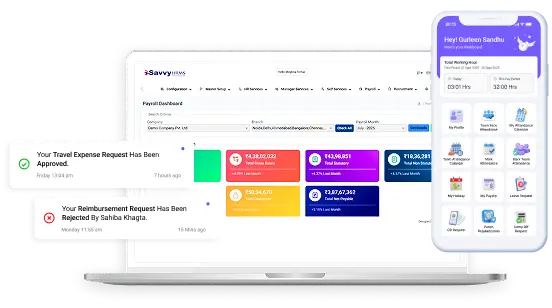









Ready to simplify HR operations and strengthen your business finances?
Explore Savvy HRMS today and discover how smarter HR automation can help you achieve more efficient working capital management.