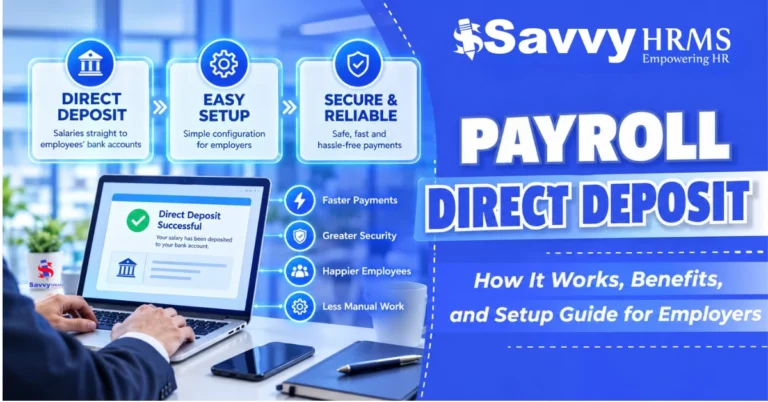


8 Best Employee Appraisal Software in India 2026: Simplify Performance Reviews, Feedback & Employee Goals


-
AuthorSalilendra Kumar
-
 Last Updated
August 25, 2026
Last Updated
August 25, 2026
-
 Reading Time
18 Mins
Reading Time
18 Mins
Are annual employee appraisals taking too much time while still leaving managers with incomplete information? As businesses grow, managing reviews through spreadsheets, emails, and disconnected forms becomes difficult. Employee appraisal software brings goals, feedback, ratings, and review cycles together in one place.
Modern appraisal processes are also moving beyond once-a-year evaluations. Businesses increasingly want continuous feedback, 360-degree reviews, measurable goals, and regular performance conversations. The right employee performance appraisal software can help HR teams create structured processes while giving employees greater clarity about expectations and growth.
But with so many performance management platforms available, choosing one is not always straightforward. This guide compares 8 employee appraisal software options in India for 2026, looking at their performance review capabilities, feedback features, goal management, analytics, and overall suitability for different business needs.
Our Evaluation Methodology
We evaluated these employee appraisal software platforms based on the features that matter most throughout the performance management cycle. Our comparison considers appraisal and review workflows, goal and KPI tracking, 360-degree feedback, continuous feedback, self-assessments, performance analytics, customization, usability, scalability, and integration with broader HR processes.
We also considered how well each platform can support different appraisal approaches, from traditional periodic reviews to more continuous performance management. The evaluation focuses on practical capabilities that HR teams and managers typically need when planning, conducting, tracking, and analyzing employee appraisals.
The goal is not simply to identify the platform with the longest feature list. Instead, the focus is on helping businesses understand which employee appraisal software fits their performance review process, workforce size, management style, and growth requirements.
What Is Employee Appraisal Software and How Does It Work?
Employee appraisal software is a digital solution that helps organizations plan, conduct, track, and analyze employee performance reviews. Instead of managing appraisal forms, spreadsheets, emails, and feedback separately, HR teams can bring the process into one structured system.
A general appraisal cycle starts with defining performance expectations and employee goals. Managers and employees can then track progress during the review period, record achievements, share feedback, complete self-assessments, and conduct formal evaluations.
Depending on the platform, organizations can also use 360-degree feedback, competency assessments, continuous check-ins, rating scales, and performance analytics. The final results can then support development plans, recognition, promotions, salary revisions, or other talent decisions.
In simple terms, employee appraisal software turns performance reviews from a periodic administrative exercise into a more organized and ongoing process.
Modern performance management platforms increasingly connect goals, reviews, feedback, and development instead of treating the annual appraisal as an isolated event. This helps organizations build a more continuous approach to employee performance and development.
Why Are Businesses in India Moving to Employee Appraisal Software?
Managing employee appraisals sounds simple until you have to do it for an entire organization. When reviews are handled through spreadsheets, emails, and separate documents, HR teams can quickly lose track of goals, feedback, ratings, and pending evaluations.
As businesses in India grow, these challenges become even more noticeable. What worked for a team of 20 employees may become difficult to manage when the workforce reaches 200, 500, or more.
Here are some of the common reasons businesses are making the shift to employee appraisal software:
- Less manual work: HR teams can automate review cycles, reminders, forms, and approval workflows.
- Better goal visibility: Employees and managers can track goals and KPIs throughout the review period.
- More consistent evaluations: Standardized criteria help different managers follow a more structured appraisal process.
- Faster feedback: Managers can share feedback throughout the year instead of waiting for annual reviews.
- Centralized performance data: Goals, ratings, feedback, and appraisal records stay organized in one system.
- Easier 360-degree feedback: HR can collect feedback from managers, peers, and other stakeholders more efficiently.
- Better performance insights: Reports and dashboards help HR identify performance trends and development needs.
- Greater employee involvement: Employees can participate through self-appraisals, goal updates, feedback, and performance discussions.
The shift is simple: performance management is no longer just an annual activity. Employee appraisal software helps businesses manage goals, feedback, reviews, and performance data in one place, making appraisals more structured, transparent, and easier for HR, managers, and employees.
What Features Should You Look for in Employee Appraisal Software?
Choosing employee appraisal software should go beyond asking whether it offers an appraisal form. The better question is whether it can support your entire performance management process.
1. Flexible Performance Review Cycles
Look for software that supports annual, half-yearly, quarterly, monthly, or customized review cycles. Flexibility becomes particularly useful when different departments follow different evaluation schedules.
2. Goal and KPI Tracking
Employees should be able to create measurable goals and track progress throughout the review period. Goal tracking also helps managers evaluate actual results instead of depending only on memory.
3. 360-Degree Feedback
360-degree feedback collects perspectives from multiple people, such as managers, peers, direct reports, and sometimes customers. This can provide a broader view of employee performance than manager-only reviews.
4. Self-Appraisals
Self-assessments allow employees to reflect on achievements, challenges, and development needs before the manager review. This makes appraisal conversations more collaborative.
5. Continuous Feedback
Employees should not have to wait until the end of the year to understand how they are performing. Continuous feedback and regular check-ins can help identify issues and recognize achievements earlier.
6. Performance Analytics
Dashboards and reports help HR and managers identify performance trends, rating distributions, goal achievement, and development opportunities.
7. Competency and Skill Assessments
For many organizations, performance is not only about achieving targets. Competency frameworks can help evaluate behaviors, skills, leadership capabilities, and role-specific expectations.
8. Calibration
Calibration tools can help organizations compare ratings across teams and maintain greater consistency in performance evaluations.
9. HR and Payroll Integration
If appraisal outcomes influence increments, promotions, incentives, or variable pay, connecting performance data with other HR processes can reduce duplicate work.
8 Best Employee Appraisal Software in India 2026
1. Savvy HRMS
Overview
Savvy HRMS offers a performance management system designed to manage goals, reviews, appraisal cycles, feedback, and performance insights. Its capabilities include KRA/KPI weightage, real-time monitoring, 180°/360° feedback, balanced scorecards, nine-box grids, and performance-linked increments.
Key Features
- Set employee goals and assign weightage to KRAs and KPIs for structured performance evaluation.
- Manage performance review cycles systematically while keeping managers and employees aligned throughout the process.
- Collect multi-source feedback to create a broader and more balanced employee performance assessment.
- Track employee progress continuously instead of depending only on information available during final reviews.
- Use multiple performance dimensions to create a broader evaluation framework beyond individual targets.
- Assess employee performance and potential to support talent identification and development decisions.
- Use graphical performance views to understand employee performance patterns and review outcomes.
- Connect performance results with increment-related processes to support more structured compensation decisions.
- Configure performance parameters, skills, and evaluation standards according to organizational requirements.
Best For
Savvy HRMS is best for Indian businesses looking for a comprehensive HRMS with structured appraisals, goals, feedback, analytics, and performance-linked HR processes.
2. ZingHR
Overview
ZingHR provides performance management through its talent management suite, combining KRA/KPI tracking, OKRs, 360-degree feedback, calibration, development, and compensation-related workflows within its broader HCM platform.
Key Features
- Supports KRA, KPI, OKR, and scorecard-based performance management.
- Collects 360-degree feedback from multiple performance stakeholders.
- Provides continuous performance tracking and real-time goal visibility.
- Supports calibration and nine-box talent assessment processes.
- Connects performance outcomes with compensation and succession planning.
Best For
ZingHR is best for enterprises wanting performance management connected with goals, feedback, compensation, learning, and succession planning.
3. factoHR
Overview
factoHR provides performance management with goal tracking, flexible review cycles, continuous feedback, 360-degree reviews, one-on-one meetings, analytics, and performance-linked payroll capabilities.
Key Features
- Create measurable goals and sub-goals with customizable parameters.
- Configure review cycles for different teams and employee categories.
- Support continuous feedback, 360-degree reviews, and one-on-one meetings.
- Connect performance outcomes with configured payroll and incentive processes.
- Use dashboards to monitor goals, reviews, and performance trends.
- Support multi-level reviews involving managers, employees, subordinates, and HR.
Best For
factoHR is best for businesses wanting flexible performance reviews connected with goals, payroll, mobile access, and broader HR management.
4. Keka HR
Overview
Keka offers performance management covering review cycles, 360-degree reviews, goals, OKRs, continuous feedback, one-on-ones, competency frameworks, calibration, and employee development within its HR platform.
Key Features
- Create and track individual, team, and organizational goals.
- Run customizable performance reviews with self, manager, and peer inputs.
- Collect 360-degree feedback for broader performance evaluations.
- Connect continuous feedback with goals and OKRs.
- Use calibration tools including nine-box grids and bell curves.
- Support one-on-one meetings and structured employee coaching.
Best For
Keka is best for growing organizations seeking structured performance reviews with goals, feedback, coaching, and talent development.
5. greytHR
Overview
greytHR Performance Management supports goal setting, review cycles, 360-degree feedback, calibration, reports, and performance insights while integrating performance management into the broader greytHR platform.
Key Features
- Configure goal plans by teams, roles, and business units.
- Break goals into milestones with weightages for tracking.
- Support continuous updates through check-ins and comments.
- Collect 360-degree feedback and conduct structured evaluations.
- Provide calibration, reports, and performance insights for decision-making.
- Integrate performance management within the existing HR environment.
Best For
greytHR is best for businesses already using its HR ecosystem and wanting integrated performance management capabilities.
6. BambooHR
Overview
BambooHR Performance Management helps organizations manage performance reviews, goals, employee feedback, self-assessments, and performance reporting through an easy-to-use HR platform.
Key Features
- Run structured performance review cycles with configurable assessments.
- Support self, manager, peer, and upward feedback.
- Track employee goals and performance progress.
- Provide performance reports for data-backed workforce decisions.
- Connect feedback with employee growth and development opportunities.
- Offer mobile access to goals, assessments, and feedback.
Best For
BambooHR is best for businesses seeking user-friendly performance management integrated with a broader HR platform.
7. HRMantra
Overview
HRMantra is an HR management platform that businesses can use to manage employee performance and appraisal processes alongside other workforce management activities.
Key Features
- Manage employee performance and appraisal workflows digitally.
- Support structured employee evaluation and performance tracking.
- Help managers monitor employee performance against expectations.
- Maintain centralized employee performance information for HR teams.
- Connect performance processes with broader HR management activities.
Best For
HRMantra is best for organizations looking for performance and appraisal capabilities within a broader HR management solution.
8. Qandle
Overview
Qandle provides performance management with goals, OKRs, flexible review cycles, continuous feedback, 360-degree feedback, one-on-ones, and performance reporting for structured employee evaluations.
Key Features
- Create individual, team, and company-level goals.
- Align goals with OKRs and KPIs while tracking progress.
- Configure monthly, quarterly, half-yearly, or customized reviews.
- Collect self, manager, peer, and team feedback.
- Schedule one-on-one meetings with notes and follow-ups.
- Analyze performance outcomes through reports and visual insights.
Best For
Qandle is best for businesses wanting flexible appraisal cycles, continuous feedback, goals, and 360-degree reviews.
The 8 platforms above take slightly different approaches to employee performance management. Some focus heavily on complete HRMS integration, while others put greater emphasis on continuous feedback, goals, talent development, or enterprise-scale performance workflows.
For businesses comparing employee appraisal software, the best choice ultimately depends on the organization’s appraisal methodology, workforce size, existing HR technology, reporting requirements, and how closely performance management needs to connect with payroll, compensation, learning, or other HR processes.
How Does Employee Appraisal Software Simplify Performance Reviews?
Let’s be honest, employee performance reviews can become complicated when they are managed manually. HR has to send forms, follow up with managers, collect feedback, track pending reviews, and prepare reports. As the workforce grows, keeping everything organized becomes a time-consuming task.
Employee appraisal software simplifies this by bringing the entire review process into one place. HR can create review cycles, employees can complete self-assessments, managers can evaluate performance, and feedback can be collected without juggling multiple spreadsheets or emails.
Here’s how it makes the process easier:
- Automated review cycles: Set up appraisal schedules and automatically manage different review stages.
- Easy self-assessments: Employees can share achievements, challenges, and progress before manager evaluations.
- Centralized feedback: Keep manager, peer, and 360-degree feedback together in one system.
- Goal-based evaluations: Compare employee performance against predefined goals, KRAs, KPIs, or OKRs.
- Automated reminders: Keep employees and managers updated about pending appraisal tasks.
- Real-time visibility: HR can quickly see completed, pending, and ongoing reviews.
- Performance reports: Generate useful insights without manually compiling information from different sources.
The biggest advantage is that HR spends less time managing paperwork and more time improving the performance process. Managers get better information for appraisal discussions, while employees get a clearer understanding of their performance, goals, and areas for improvement.
How Can 360-Degree Feedback Improve Employee Appraisals?
A manager may have a good understanding of an employee’s work, but they don’t always see everything. What about how the employee collaborates with teammates, communicates with others, or supports junior colleagues? This is where 360-degree feedback adds more perspective to the appraisal process.
Instead of depending only on a manager’s assessment, 360-degree feedback collects input from different people who regularly work with the employee.
- Manager feedback: Evaluates overall performance, responsibilities, and goal achievement.
- Peer feedback: Shows how effectively the employee collaborates and communicates with teammates.
- Team feedback: Provides insights into leadership, support, and workplace behavior.
- Self-feedback: Gives employees an opportunity to reflect on their own performance.
- 360-degree insights: Combines different perspectives for a more balanced evaluation.
The result is a more complete picture of employee performance. It can highlight strengths that deserve recognition while also identifying areas where additional coaching or development may be needed. When handled transparently and constructively, 360-degree feedback can make appraisals more balanced, meaningful, and focused on employee growth.
How We Evaluated These Tools and What Should You Look for When Choosing One?
When comparing employee appraisal software, a long feature list can be tempting. But more features do not automatically mean a better solution for your organization.
Start by looking at your current appraisal process.
Do you conduct annual reviews, quarterly reviews, or continuous check-ins? Do employees complete self-assessments? Do managers need 360-degree feedback? Are goals based on KPIs, KRAs, OKRs, competencies, or a combination?
Once you know that, compare platforms based on the following factors.
1. Review flexibility: Can you customize appraisal cycles, forms, ratings, and workflows?
2. Goal management: Can employees and managers create, track, update, and evaluate goals?
3. Feedback: Does the platform support manager, peer, self, and 360-degree feedback?
4. Ease of use: Will employees and managers actually use the system without extensive training?
5. Analytics: Can HR understand rating trends, goal completion, performance gaps, and other important patterns?
6. Integration: Can performance data connect with payroll, compensation, HR records, learning, or other systems?
7. Scalability: Can the platform support your organization as the workforce grows?
8. Customization: Can you adapt the system to your appraisal methodology rather than changing your entire process around the software?
9. Security and access: Can sensitive employee performance information be controlled through appropriate permissions?
10. Support and implementation: Does the vendor provide sufficient onboarding, training, support, and implementation assistance?
Ultimately, the right employee appraisal software should make the process simpler for HR, clearer for managers, and more meaningful for employees.
What Are the Benefits of Automating Employee Appraisals?
Automating employee appraisals can change more than just the administrative side of performance reviews.
1. Reduced Administrative Work
HR teams spend less time creating forms, sending reminders, collecting responses, and preparing manual reports.
2. More Consistent Evaluations
Standardized forms, criteria, workflows, and rating systems can make the process more consistent across departments.
3. Better Goal Visibility
Employees and managers can see goals and progress throughout the performance cycle rather than only during appraisal season.
4. Faster Feedback
Digital workflows make it easier to provide feedback throughout the year, helping employees address issues sooner.
5. Better Employee Participation
Self-assessments, continuous feedback, goal tracking, and transparent review processes can give employees a more active role.
6. Data-Driven Decisions
Performance dashboards can help HR identify trends, performance gaps, high performers, and development opportunities.
7. Easier Documentation
Instead of searching through emails and spreadsheets, organizations can maintain performance information in a centralized system.
8. Stronger Alignment
When individual goals are connected with team and organizational objectives, employees can better understand how their work contributes to business outcomes.
These benefits are why modern performance management is increasingly moving toward continuous processes rather than isolated annual evaluations.
How Can You Measure the ROI of Employee Appraisal Software?
So, is employee appraisal software actually worth the investment? The easiest way to find out is to look beyond the software cost and measure what it saves and improves across your performance management process.
Start by looking at a few practical areas:
- Time saved: Compare the HR time spent on manual appraisals before and after automation.
- Faster reviews: Track whether appraisal cycles are completed more quickly.
- Better goal achievement: Monitor improvements in employee and team goal completion.
- Reduced administrative work: Measure fewer spreadsheets, emails, follow-ups, and manual reports.
- Employee retention: Check whether better feedback and performance discussions support retention.
- Manager productivity: See how much time managers save through simplified reviews and feedback.
- Better decisions: Measure whether performance data helps with promotions, increments, and development planning.
In simple terms, the ROI of employee appraisal software comes from saving time, improving performance, reducing administrative effort, and supporting better employee decisions. By comparing these benefits with the software and implementation costs, businesses can understand whether the investment is delivering real value.
What Is the Difference Between Employee Appraisal Software and Performance Management Software?
| Comparison Factor | Employee Appraisal Software | Performance Management Software |
| Primary purpose | Evaluate employee performance | Continuously manage and improve performance |
| Review cycles | Usually central to the system | Included as one part of the process |
| Goal tracking | May be available | Usually a core capability |
| 360-degree feedback | Common feature | Commonly supported |
| Continuous feedback | May be available | Usually an important component |
| One-on-one meetings | Sometimes included | Frequently integrated |
| Performance analytics | Review-focused | Broader performance insights |
| Employee development | Often linked to appraisal outcomes | Usually integrated into performance strategy |
| OKRs/KPIs | May be supported | Generally central to performance management |
| Calibration | May be available | Often included in advanced systems |
| Best suited for | Organizations focused primarily on appraisals | Organizations wanting continuous performance management |
In practice, the distinction is becoming less rigid. Modern employee appraisal software increasingly includes goals, feedback, and continuous performance capabilities, while performance management systems almost always include appraisal functionality.
How to Choose the Right Employee Appraisal Software for Your Business?
Choosing employee appraisal software becomes much easier when you first understand what your HR team, managers, and employees actually need. Instead of comparing every feature, focus on the capabilities that will improve your existing appraisal process.
1. Understand Your Current Appraisal Process
Start by identifying what is currently working and where your team struggles. This helps you choose software that solves actual problems instead of adding unnecessary complexity.
2. Define Your Appraisal Requirements
Think about the type of performance management process you want to run:
- Annual, quarterly, or continuous reviews
- Self-appraisals
- Manager evaluations
- 180° or 360° feedback
- KRAs and KPIs
- OKRs and goal tracking
- Competency-based assessments
3. Check Goal and Performance Tracking
Choose a platform that lets employees and managers set goals, track progress, and review achievements throughout the appraisal cycle.
4. Look for Automation
The right software should reduce repetitive HR work through:
- Automated reminders
- Review workflows
- Approval processes
- Feedback collection
- Performance reports
- Appraisal cycle scheduling
5. Consider Ease of Use
Even feature-rich software will not deliver much value if employees find it difficult to use. Look for a simple interface that managers and employees can understand quickly.
6. Evaluate Reporting and Analytics
Performance dashboards can help HR identify rating trends, goal completion, high performers, performance gaps, and areas requiring employee development.
7. Check Integration and Scalability
Make sure the software can integrate with your existing HR processes and continue supporting your organization as the employee count and performance requirements grow.
8. Compare Pricing and Overall Value
Don’t look at pricing alone. Compare the software’s features, implementation, support, scalability, and potential time savings to understand its overall value.
9. Take a Demo Before Deciding
A demo gives your HR team and managers a chance to test the actual workflow and determine whether the software fits your appraisal process.
10. Prioritize Long-Term Fit
The best employee appraisal software should support your current requirements while leaving room for future needs such as continuous feedback, advanced analytics, talent development, and performance-linked rewards.
Conclusion
Employee appraisals are no longer simply about assigning a rating at the end of the year. Modern businesses need a more continuous approach that connects employee goals, performance reviews, feedback, development, and business objectives. The right employee appraisal software can reduce administrative work while making performance conversations more structured and meaningful.
Among the options covered, Savvy HRMS stands out as a strong choice for businesses looking for an integrated performance management approach with goal setting, KRA/KPI weightage, appraisal cycles, 180°/360° feedback, real-time monitoring, balanced scorecards, nine-box grids, performance analytics, and performance-linked increments.

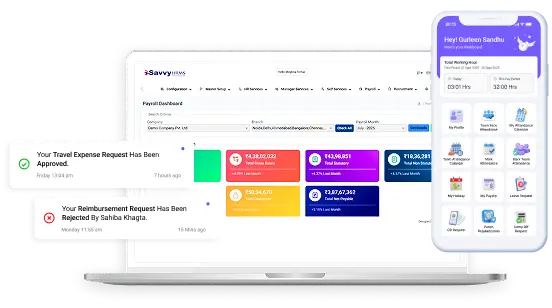









Make Every Performance Review More Meaningful
With Savvy HRMS, bring goals, feedback, appraisals, and performance tracking together for a smarter employee experience.
Frequently Asked Questions (FAQs)
1. What Is Employee Appraisal Software?
Employee appraisal software helps businesses manage performance reviews, employee goals, feedback, ratings, and appraisal cycles through a centralized digital platform.
2. What Features Should Employee Appraisal Software Have?
Key features include performance reviews, goal and KPI tracking, self-appraisals, 360-degree feedback, continuous feedback, performance analytics, customizable workflows, and appraisal reports.
3. How Does Employee Appraisal Software Improve Performance Reviews?
It automates review workflows, centralizes employee performance information, simplifies feedback collection, tracks goals, sends reminders, and helps managers conduct more structured performance discussions.
4. Can Employee Appraisal Software Support 360-Degree Feedback?
Yes. Many modern platforms support 360-degree feedback by collecting performance inputs from managers, peers, team members, and employees for a more comprehensive evaluation.
5. Which Is the Best Employee Appraisal Software in India in 2026?
The best option depends on your business size, appraisal process, required features, and budget. Savvy HRMS is a strong option for businesses looking for integrated goals, appraisals, feedback, and performance management.