

HR Policies in India: What every organization needs to know?


-
AuthorRuchika Rajput
-
 Last Updated
January 03, 2026
Last Updated
January 03, 2026
-
 Reading Time
12 Mins
Reading Time
12 Mins
Human Resource (HR) policies are the foundation of how businesses in India manage their employees and effectively manage human resource issues. They provide guidance to employees and help to establish workplace expectations, as well as assist with the alignment of employee behaviour with the organisation’s business goals.
Developing and maintaining an effective HR infrastructure is important for Indian organisations as they navigate through a constantly changing legal environment and a wide variety of cultural workplace practices. Without adequate HR policies in place, organisations risk being unable to effectively manage employee behaviours and, at times, legally align with Indian employment laws.
Whether your organisation is just starting out or has been operational for many years, an understanding of the HR policies in place will allow you to create a positive, ethical, and compliant organisational environment for your employees.
What Are HR Policies?
HR Policies are the formal guidelines used by organizations to manage their personnel, from recruitment through termination. They also define what an employee’s rights, responsibilities and acceptable behaviour will be in the workplace.
HR Policies are used to ensure that HR processes, such as recruiting, leave of absence, discipline, compensation and employee relations are implemented consistently while following current labour laws and the organisation’s values.
What is the Importance of HR Policies in India?
1. Legal compliance and risk mitigation
Policies applicable to human resources provide the necessary framework for compliance with employment laws in India, such as defining rules relating to minimum wages, maximum hours, health and safety Regulations, employee rights, etc.
The risk of fines, lawsuits, audits and as well as action will be reduced if you have well-defined and documented HR policies, since these policies can provide the necessary proof of compliance with statutory responsibility in an audit situation.
2. Consistency across all levels of the organization when managing employees
One of the main objectives of HR policies is to provide consistency in the way that companies manage employees across all departments, locations and positions.
Having clear guidelines for managing employee performance, it will reduce errors in the process of making decisions, promote fairness, and treat employees equally regardless of their position within the company.
3. Enhance the employee experience
Organisations that provide HR policies with clearly established guidelines create a level of clarity regarding the expectations within the organisation, the available employee benefits and the company’s procedures for addressing issues.
When HR policy guidelines are accessible to all employees, they feel more secure and valued and therefore have better job satisfaction, engagement, confidence, and long-term commitment to the company.
4. Conflict Prevention and Resolution
HR policies are a formal way to address grievances, misconduct, and disputes so that all issues can be resolved in an objective manner without any personal bias.
Establishing procedures for dealing with conflicts is an effective way to prevent conflict from developing, create an environment for a timely resolution of conflicts, and create a culture of respect, professionalism and harmony in the work environment.
5. Organizational Efficiency
HR policies provide structure for many routine managerial decisions and reduce the need for managers to make individual decisions based on their knowledge and experience.
By providing a structured process to manage HR decisions, HR policies improve the overall efficiency of an organization’s operations and help leaders save time, allowing the organization to expand smoothly while maintaining control and continuity.
6. Employer Branding and Credibility
HR Policies should be written with professionalism and ethical principles in mind. By doing so, trust is created between employees, candidates, regulators, and all external contributors.
The establishment of a good, strong HR Policy Framework is an effective means to improve an employer’s brand and attract quality candidates in the future and to enhance the employer’s reputation for compliance and reliability.
List of Important HR Policies Adopted by Companies in India
1. Code of Conduct
The Code of Conduct states the acceptable behaviours of employees, their ethical standards, and their professional obligations. All of these things help employees identify and understand proper actions expected of themselves, consistent with their employer’s mission and vision and in compliance with applicable regulations, laws, and ethical standards.
Typical components of this policy include:
- Work Ethics and Work Integrity
- Conflict of Interest Guidelines
- Disciplinary Actions
2. Equal Opportunity Policy
The Equal Opportunity Policy is designed to ensure all employees and job applicants are treated equally without any form of discrimination in relation to their employment or potential employment, by eliminating all forms of discrimination in areas such as hiring, pay, promotion, and all other employment practices.
This policy is based on the following principles:
- Merit-Based Hiring and Promotions
- Equal Pay Practices
- Inclusive Work Environment
3. Anti-Bullying Policy
The Anti-Bullying Policy is designed to protect employees from being bullied at work and to help create an environment where employees can be treated with honour, psychological safety, and respectful behaviour by promoting an inclusive work environment.
The primary components of this policy typically include:
- Defining the Various Types of Bullying Behaviours
- Establishing and Maintaining Reporting Mechanisms for Bullying
- Disciplinary Consequences for Bullying
4. Sexual Harassment Policy (POSH Policy)
The Sexual Harassment Policy (POSH Policy) is intended to protect employees from experiencing sexual harassment while at work and establishes a procedure for investigating and resolving any allegations of sexual harassment, as well as a framework for establishing a safe, respectful, and legally compliant workplace.
It usually addresses:
- Complaint handling procedures
- Internal committee framework
- Confidentiality assurance
5. Employee Handbook
The Employee Handbook is a central document of the organization that outlines the policies of the organization, the rules of the organization with respect to the workplace, and the procedures of the Human Resources department for employees.
The section on the Employee Handbook usually includes:
- Company Values and Culture
- HR Procedures
- Employee Responsibilities
6. Non-Discrimination Policy
The objective of a Non-Discrimination Policy is to maintain equal treatment in the workplace by preventing discrimination against people based on their gender, caste, religion, disability, etc.
The Policy includes:
- Inclusive Employment Practices
- A Zero-Tolerance Policy Towards Discrimination
- Equal Opportunity For Advancement
7. Employee Contract
An Employee Contract is a legally binding agreement that defines the relationship between an employer and employee, clarifying the rights and responsibilities of both parties.
Generally, an Employee Contract includes:
- Details of the Job Role and payment
- Notice Period
- Terms and Conditions of Termination
8. Employee Non-Disclosure Agreement (NDA)
An NDA informs employees that certain non-public, sensitive information cannot be disclosed either while employed or thereafter. This document protects sensitive business information and places the obligation on employees not to disclose such information.
An NDA generally includes:
- Obligations for Confidentiality of Data
- Protection of Intellectual Property
- Prevents Post-Employment Disclosure
9. Termination and Resignation Policy
A Termination and Resignation Policy outlines a procedure for both voluntary and involuntary separation between employees and employers.
The Termination and Resignation Policy includes the following components:
- Notice Period Rules
- Exit Process
- Process for Final Settlement of Pay and Benefits
10. Leave Policy
A Leave Policy ensures that employees are eligible and are aware of how to request different types of leave while complying with statutory requirements.
A Leave Policy generally includes:
- Earned Leave, Casual Leave, and Sick Leave
- How to Request Leave
- Compliance with Statutory Leave Regulations
11. Working from Home Policy.
The Working from Home Policy governs the remote work arrangements for employees by establishing performance, availability, and data security expectations for remote work that occur outside the traditional workplace.
Common contents of this policy may include:
- Qualifications for employees to work from home.
- Work hours and expectations regarding employee productivity.
- Data security protocols for remote employees.
12. Sabbatical Policy
The Sabbatical Policy provides qualified employees with an extended leave of absence for personal development, education, or wellness-related activities without terminating the employee’s relationship with the employer.
Typical content contained in a sabbatical policy is:
- Qualifications of employees to be eligible for a sabbatical.
- Duration of the sabbatical and how to go about getting approval for the sabbatical.
- How to return to work after the sabbatical.
13. Employee Rewards and Recognition Policy
The Employee Rewards and Recognition policy motivates employees to do well through recognition of their accomplishments, contributions, and performances in a formalised system.
Typically included in the Employee Rewards and Recognition Policy are:
- The performance-based incentive system.
- The non-monetary method of recognition.
- Criteria used in determining which employees are eligible to receive rewards.
14. Attendance and Punctuality Guidelines
Attendance and Punctuality Guidelines provide an overall indication of what the organisation expects of employees regarding when they should be present for work.
Typically included in the Attendance and Punctuality Guidelines are:
- The method of tracking employee attendance and punctuality.
- What is the policy regarding late arrival?
- What is the policy for absenteeism?
15. Health and Safety Policy
A Health and Safety Policy attempts to keep the employee safe by providing a healthy workplace environment and a proactive approach to risk management.
Typically, the Health and Safety Policy includes:
- The steps the employer will take to reduce safety hazards.
- The emergency procedures to follow.
- The types of training offered to employees regarding safety.
16. Substance Abuse Policy
To maintain safety, productivity, and professionalism in the workplace, this policy explains substance abuse during working hours.
This policy normally governs:
- Prohibited conduct regarding substance abuse
- Testing procedures for substance abuse
- Disciplinary actions for substance abuse
17. Fraud Policy
A Fraud Policy establishes a framework for detecting and dealing with financial fraud.
Generally, a Fraud Policy includes:
- Methods to identify fraudulent activities
- Ways in which fraud can be reported
- Procedures for investigating fraud
18. Employee Grievance Policy
The Employee Grievance Policy allows employees to file formal complaints and to receive a fair resolution to workplace issues.
Typically, an Employee Grievance Policy will outline:
- How to file a complaint
- Timeframes in which to resolve complaints
- Levels of growth when resolving complaints
19. Business Travel Policy
The Business Travel Policy defines who is able to travel on company business and sets procedures for obtaining approval for travel and payment expenses associated with business travel.
Typical Business Travel Policies contain:
- Criteria for becoming eligible for travel
- Payment policies
- How to book business travel
20. Hiring Policy
The Hiring Policy is planned to promote transparency, fairness, and compliance in the hiring process.
Generally, the Hiring Policy will govern:
- The recruitment process
- Background verification processes
- An Equal Opportunity Hiring practice
Statutory Compliance Checklist for HR Policies
1. Factory Act, 1948
The Factory Act, 1948, states that factory workers must be protected from injury or death while they are working, and that factories must provide the following: proper working conditions; healthy and safe work conditions; a regulated work schedule; and welfare facilities.
2. Shops and Establishments Act
The Shops and Establishments Act governs the working hours, payment and leave of employees in commercial and shop establishments. Each state has its own laws relative to hours, wages, and leave for shop employees, which help to ensure employees receive fair treatment.
3. Payment of Wages Act 1936
The Payment of Wages Act 1936 prohibits employers from delaying or withholding payment of wages to employees and limits the number of deductions that may be made from employees’ pay for unauthorized purposes.
4. Employees’ Provident Fund (EPF) Act
The Employees’ Provident Fund (EPF) Act establishes a means by which to provide social security benefits at retirement by requiring employers to contribute a percentage of their employees’ earnings into the employees’ provident fund.
5. Employees’ State Insurance (ESIC) Act
The Employees’ State Insurance (ESIC) Act provides medical, sick and maternity benefits; temporary and permanent disabilities for an employee and for their dependants, to employees who qualify based on contributions made by the employer and employee.
How to Create HR Policies: A Step-by-Step Guide
Step 1: Identifying the Legal Requirements
The first step is to review the various labour laws, statutory regulations and industry standards that apply to your workplace. You need to ensure that your HR Policies are in compliance with all legal obligations, as well as reduce the chance of facing penalties or legal action.
Step 2: Identifying the Organisational Requirements
The next step is to review your business goals, organisation structure, size of the workforce, and business practices to create HR Policies that meet your organisation’s operational needs in a practical and scalable way.
Step 3: Identifying the Objectives of the HR Policy
It is important to clearly identify the purpose, scope, and intended results of each HR Policy to ensure it supports the organisation’s values, employee expectations, and any regulatory compliance standards.
Step 4: Drafting Clear Policies
HR Policies should be written using simple, distinct and employee-friendly terms to ensure that employees have a clear idea of what to expect or do under the policies. It is important to draft policies with the least amount of officework to eliminate confusion or miscommunication.
Step 5: Assurance of Legal Compliance
Consider obtaining a review of your HR policies by Human Resource Professionals and managers for the purpose of obtaining assurance that the policies are compliant with current labour legislation, thus reducing the risk of liability and ensuring that the policies will be able to be defended and enforced if challenged in the courts.
Step 6: Obtain Management Approval
Obtain formal approval from senior management to demonstrate that the organisation is committed to supporting the HR policies and will be accountable for implementing them, to ensure that HR policies receive organisation-wide acceptance.
Step 7: Ensure Employees Are Aware Of Your HR Policies
Ensure that you effectively communicate your HR policies to all employees, using the various methods available, such as employee handbooks, onboarding sessions, training programs, and internal portals.
Step 8: Update Your HR Policies Regularly
Make it a practice to regularly review and update your HR policies to take into account the changes in labour legislation, changes in the way business is conducted, and changes in the requirements of your workforce so that your HR policies continue to be relevant and compliant.
Conclusion
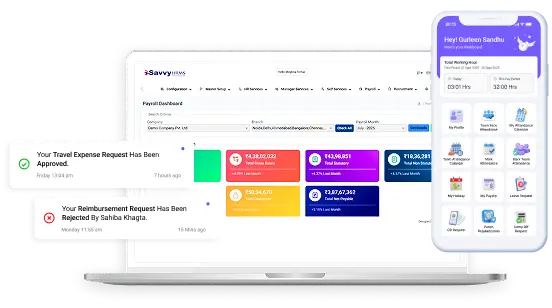
In India, HR policies are an important aspect of compliance, consistency, and promoting Employee welfare. A well-structured policy framework protects an organization legally while developing a strong workplace culture and improving operational efficiency. By utilizing Savvy HRMS or any other new-age HR technology, the complexity of managing HR Policies can be simplified, automated for compliance purposes, and provide Employees with a better experience by providing a Single Point of Access and Workflows, combined with real-time access to HR Policy information. This makes HR Governance easier and more effective.