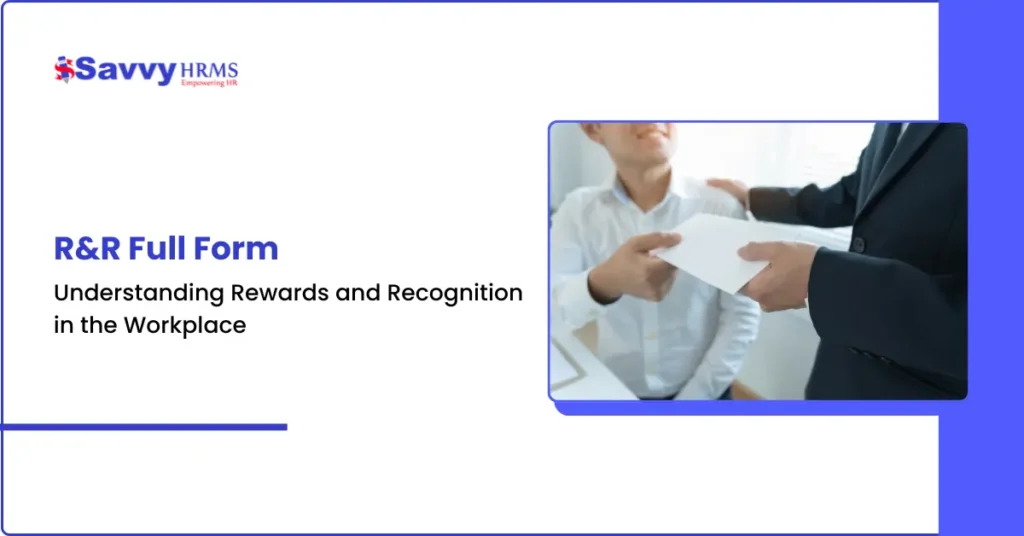
If you work in Human Resources or manage a team, you’ve probably heard the term R&R being thrown around in meetings and policy documents. But what does R&R really mean? And more importantly, why does it matter so much for your organization?
R&R stands for Rewards and Recognition, and it’s one of the most powerful tools you have to keep your employees motivated, engaged, and loyal. Whether you’re an HR professional looking to build a better workplace culture or a manager wanting to appreciate your team’s hard work, understanding R&R is essential in today’s business environment.
Let’s break down what R&R means, why it matters, and how you can use it to transform your workplace.
What is R&R? Understanding the Full Form and Meaning
R&R full form is “Rewards and Recognition.” But this definition only scratches the surface of what these two powerful concepts really do for your organization.
At its core, R&R refers to structured programs and initiatives that organizations create to acknowledge, appreciate, and incentivize the contributions of their employees. It’s a combination of two complementary strategies that work together to create a motivated and engaged workforce.
Breaking Down the Two Components: Rewards and Recognition
Rewards are the tangible benefits you give to employees as recognition of their performance. These include:
- Financial bonuses and cash prizes
- Gift vouchers and gift cards
- Extra vacation days or paid time off
- Travel packages and company outings
- Commission and profit-sharing bonuses
- Performance-related pay increases
- Stock options
Recognition is the intangible appreciation you show employees. It focuses on acknowledging their efforts and contributions in a way that makes them feel valued and seen. Recognition can take many forms:
- Verbal praise in team meetings
- Written appreciation emails
- Public shoutouts on company platforms
- Awards and titles (Employee of the Month, Star Performer)
- Certificates and plaques
- Special projects or learning opportunities
- Peer-to-peer acknowledgment
The key difference? Rewards are something you give; recognition is how you make someone feel. And here’s the important part: both are equally crucial. A great R&R program combines the right mix of both rewards and recognition to create a workplace where employees truly feel valued.
Why RnR Matters in Modern Organizations
Understanding what R&R means isn’t just about knowing a definition. It’s about recognizing one of the most important strategies for building a successful, thriving organization.
Let me give you some context with real numbers:
Engaged employees are nearly 2.7 times more likely to perform at their best compared to employees who rarely receive recognition or feedback. That’s not a small difference; that’s transformational.
Here’s what the data tells us about why R&R meaning is so critical:
1. Boosts Employee Productivity and Performance
When employees know their work is recognized and valued, they naturally work harder. They’re more willing to go the extra mile because they feel their efforts matter. Organizations with strong R&R programs see an 11.1% increase in average employee performance that is a significant jump that directly impacts your bottom line.
2. Reduces Employee Turnover and Saves Money
Turnover is expensive. Between recruitment costs, training time, and lost productivity, replacing an employee can cost 50-200% of their annual salary. But here’s what’s interesting: companies with well-structured R&R programs report 31% lower voluntary turnover rates.
The statistics are compelling. 79% of employees who quit their jobs cite “lack of appreciation” as their primary reason for leaving. This means that simply by showing your employees they matter, you can prevent costly departures.
Even more striking: consistent recognition can add 3.5 years to an employee’s tenure. Imagine what that means for stability and team continuity.
3. Creates a Positive Workplace Culture
An R&R program doesn’t just benefit individual employees; it transforms your entire workplace culture. When recognition becomes part of your everyday operations, something magical happens:
- 508% increase in strong community when recognition happens regularly within teams
- 15x increase in workplace connection when recognition for great work becomes a consistent everyday culture
- 25x increase in employee-leader connection when leaders use recognition formally and consistently
Employees start appreciating each other more. They celebrate wins together. They build stronger relationships. And they feel like they’re part of something bigger than themselves.
4. Improves Job Satisfaction and Loyalty
When you regularly recognize employees for their efforts, they don’t just feel good in the moment; they develop genuine loyalty to your organization. Employees who feel appreciated are 5x more likely to stay at their organization.
This isn’t about being nice (though it is). This is about creating psychological safety and belonging, which are fundamental human needs that drive job satisfaction and commitment.
Types of Rewards: How Organizations Recognize Contributions
Now that we’ve covered what R&R meaning is, let’s look at the different types of rewards organizations typically use. Understanding these will help you create a more balanced and effective program.
1. Monetary Rewards
- Basic pay and salary – The foundation of compensation
- Performance bonuses – Cash rewards for achieving specific targets
- Commission – Percentage-based earnings tied to sales or results
- Profit-sharing – Employees receive a portion of company profits
- Additional pay for extra hours – Compensation beyond regular salary
2. Non-Monetary Rewards
- Job enrichment – More challenging projects, leadership opportunities, or skill development
- Career advancement – Promotions or expanded responsibilities
- Flexible working arrangements – Remote work options, flexible hours
- Learning opportunities – Training programs, certifications, conferences
- Extra time off – Additional vacation days, sabbaticals, wellness days
The best organizations don’t rely on just one type of reward. They create a mix that appeals to different employees and different achievements.
Key Benefits of Recognition Programs
Beyond what we’ve already mentioned, here are the specific benefits that make R&R programs worth the investment:
1. Increased Motivation
Recognition inspires employees to think about better ways to get things done. 84% of employees say the simple act of recognition inspires them to find better solutions and improve their work.
2. Stronger Employer Brand
Your employees are your brand ambassadors. When they feel valued and appreciated at work, they talk about it with friends and family. They recommend your company as a great place to work. This makes recruiting top talent significantly easier and more cost-effective.
3. Better Team Collaboration
Recognition programs foster a sense of belonging and community. When teams celebrate birthdays and work anniversaries together, and acknowledge each other’s efforts, something shifts. The odds of above-average connection between team members improve 11x when these practices are in place.
4. Higher Customer Satisfaction
Engaged, happy employees deliver better customer service. They’re more attentive, more patient, and genuinely want to help. This directly translates to better customer experiences and loyalty.
5. Innovation and Initiative
When employees are recognized for their ideas and efforts, they’re more likely to continue sharing them. Recognition programs that celebrate innovation and out-of-the-box thinking actually encourage more of it from your workforce.
6. Reduced Absenteeism and Stress
Employees who feel valued and appreciated experience lower stress levels and take fewer sick days. A positive workplace culture isn’t just good for morale, it’s good for physical and mental health.
Common Mistakes to Avoid with R&R Programs
Learning from others’ mistakes can save you time and headaches. Here are the most common pitfalls:
1. Unclear Communication
If employees don’t understand how the program works or what they need to do to be recognized, it won’t work. Be explicit and clear.
2. Lack of Promotion and Encouragement
You can’t just launch a program and expect it to sustain itself. You need to actively promote it, encourage participation, and lead by example.
3. Delayed Recognition
If an employee does something great on Monday but doesn’t get recognized until the Friday all-hands meeting, the impact diminishes. Recognize quickly.
6. Unfair or Biased Recognition
If people see that recognition goes only to certain favorites or demographic groups, the program loses credibility fast.
7. Not Using the Right Tools
Relying on email or verbal mentions for recognition can be inconsistent and forgettable. Use a dedicated platform or system to make recognition visible and trackable.
8. Disconnecting Recognition from Goals
The most powerful recognition ties employee contributions to organizational goals. This shows employees how their work matters to the bigger picture.
Conclusion
R&R Rewards and Recognition isn’t just a workplace trend. It’s a simple but powerful way to keep employees motivated, satisfied, and loyal. When people feel appreciated, they perform better, stay longer, and contribute more to the success of the organization.
A great R&R program doesn’t need to be complicated. It just needs to be consistent, fair, and genuine. When companies combine meaningful rewards with everyday recognition, they build a positive culture where employees feel seen and valued.
Whether you’re in HR or managing a team, making recognition a regular part of your workplace can make a big difference. Start small, stay consistent, and watch how it transforms your people and your organization.