As organizations prepare for another year of growth, expansion, and operational challenges, one thing remains constant: the importance of statutory compliance. With statutory compliance requirements developing constantly, remaining proactive and up‑to‑date is not just best practice; it’s important. Missed deadlines, incorrect reporting, or overlooked statutory burden can result in penalties, legal action, reputational damage, and loss of employee trust.
In 2026, organizations of all sizes, from startups to multinational organizations, must prioritize compliance planning across HR, payroll, and employee management. This complete blog outlines the key statutory compliance deadlines every business must know in 2026, while weaving in how payroll software, HR software, attendance management systems, leave management systems, and integrated employee tools can support smooth compliance.
What is Statutory Compliance?
Before we learn about the deadlines, let’s define what statutory compliance means.
Statutory compliance refers to the legal commitments companies must follow under federal, state, and local laws. These regulations generally cover taxation, labor laws, social security contributions, employee welfare, workplace safety, and reporting.
Statutory compliance isn’t optional; it’s essential. Non‑compliance can result in fines, business restrictions, audits, and legal repercussions. That’s why many organizations invest in strong payroll software and HR software that automate compliance checks, filing reminders, and report generation.
Why Compliance Deadlines Matter?
Meeting statutory compliance deadlines is important for protecting your organization’s financial health and reputation. Timely payroll filings, tax submissions, and social security contributions prevent penalties and audits while enabling HR and finance teams to operate efficiently using payroll and HR software.
Key Reasons to Prioritize Compliance Deadlines
1. Avoid Financial Penalties
Missing statutory deadlines can result in costly fines. Timely compliance ensures businesses avoid unnecessary financial burdens and legal consequences.
2. Ensure Legal Security
Meeting deadlines keeps your organization aligned with labor laws, tax regulations, and government mandates, reducing the risk of audits and legal analysis.
3. Maintain Employee Trust
Correct payroll, timely bonuses, and proper benefits processing build confidence among employees, improving confidence and retention.
4. Streamline Payroll Processing
Using payroll software automates salary calculations, statutory deductions, and tax filings, reducing errors and saving time for finance and HR teams.
5. Improve Operational Efficiency
HR software integrates attendance, leave, and payroll data, enabling smooth workflows and better decision-making across departments.
6. Reduce Manual Errors
Automation in payroll, attendance management systems, and leave management systems reduces mistakes in calculations, reporting, and statutory submissions.
7. Focus on Strategic Growth
With compliance managed effectively through technology, organizations can redirect HR and finance resources toward important business objectives and long-term planning.
What Are the Key Statutory Compliance Areas for 2026?
Businesses need to be aware of several core areas of statutory compliance, each with specific deadlines and reporting requirements.
1. Payroll and Tax Compliance
Payroll compliance is an essential component of statutory compliance. It includes salary processing, statutory deductions, tax filings, and timely distribution of payments. Businesses must ensure correct deductions for income tax, provident fund (PF), employee state insurance (ESI), professional tax, and other applicable taxes.
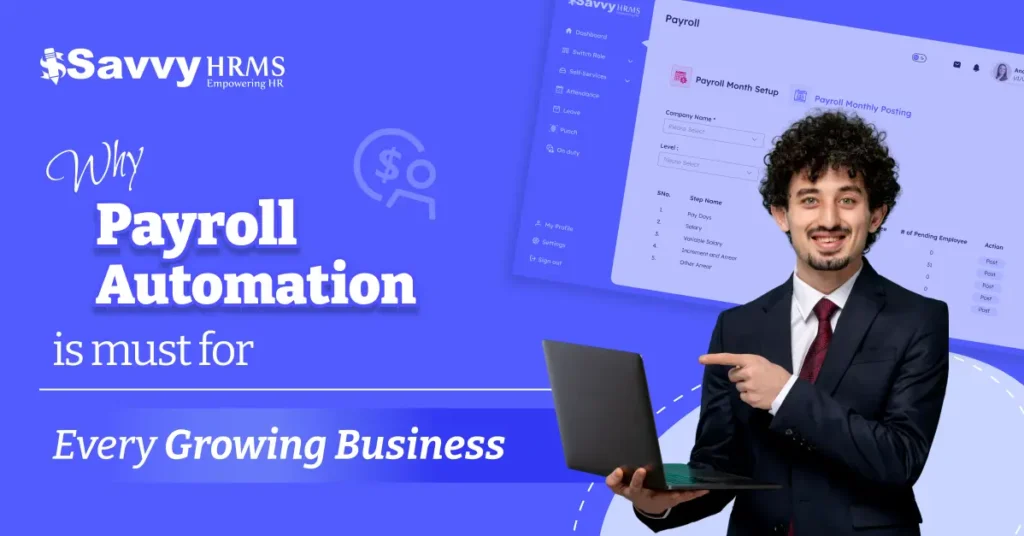
Modern payroll software simplifies these tasks by automatically calculating deductions based on employee salary, leave records, and attendance data. Integration with HR software ensures that changes in employee status, such as promotions or salary adjustments, are immediately reflected in payroll calculations. Moreover, digital payroll systems can generate statutory reports required for tax submissions, reducing errors and manual work.
2. Social Security and Employee Welfare
Compliance with social security regulations, such as PF and ESI, is important for most organizations. Companies are required to contribute to employee provident funds, insurance schemes, and pension plans, often every month.
An effective attendance management system and leave management system are important here. Correct tracking of employee hours, leaves, and overtime ensures that contributions are calculated correctly. For example, an employee’s unpaid leave or partial attendance can affect PF contributions and other statutory benefits. Automating these calculations reduces human error and ensures compliance with statutory standards.
3. Labor Law Compliance
Labor law compliance covers a broad scope, including minimum wage laws, overtime regulations, maternity benefits, and workplace safety. With frequent updates to labor laws, organizations must stay alert to avoid non-compliance.
Integrated HR software platforms provide features such as leave tracking, shift management, and employee grievance monitoring. These systems enable HR teams to manage labor law compliance effectively while generating reports for audits or inspections. Additionally, automation ensures that deadlines for filings like employee returns and bonus payments are never missed.
4. Workplace Safety and Reporting
Workplace safety compliance is increasingly a priority in 2026, especially for manufacturing, construction, and industrial sectors. Regulations require companies to maintain records of occupational safety measures, incident reports, and employee training programs.
A strong attendance management system not only tracks employee presence but also supports compliance with health and safety regulations. For example, tracking working hours, overtime, and shifts helps ensure that employees are not overworked, reducing the risk of accidents and legal issues.
5. Employee Benefits and Gratuity Compliance
Companies are required to provide statutory employee benefits such as gratuity, pensions, bonuses, and leave encashments. Calculating these benefits manually can be complicated and error-prone, especially for organizations with a large number of employees.
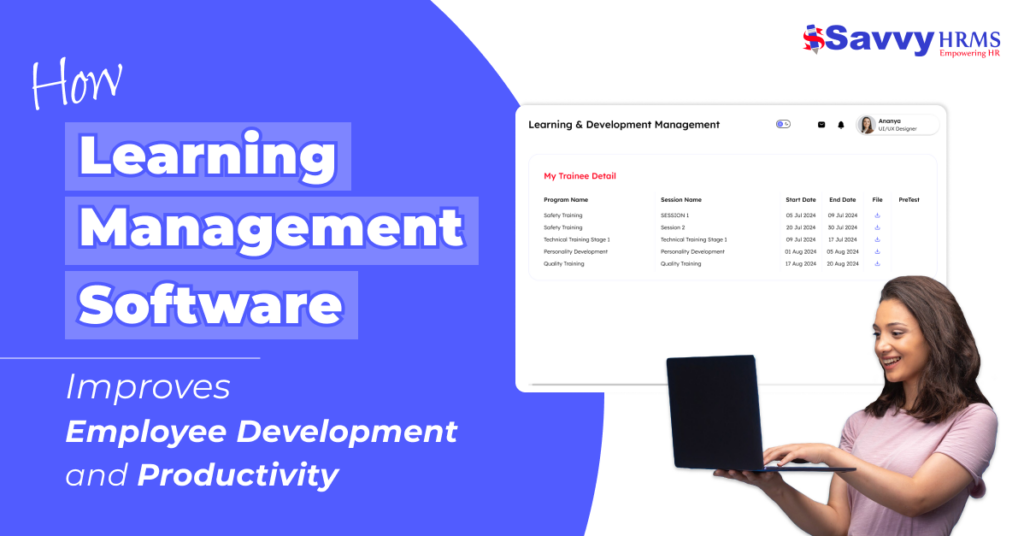
Here, a leave management system integrated with payroll and HR software becomes important. By tracking correct leaves, unused leave balances, and employee terms, these systems automate gratuity and bonus calculations while ensuring timely distribution. This not only supports statutory compliance but also enhances employee satisfaction and retention.
6. Digital Reporting and Compliance Automation
The trend toward digital compliance reporting is accelerating. Authorities increasingly require organizations to submit filings through online portals. Timely digital submission reduces processing time and improves transparency.
Modern HR and payroll software often includes automated alerts and reminders for upcoming compliance deadlines. Digital dashboards provide real-time insights into compliance status, ensuring that no commitment is overlooked. Automation also simplifies documentation for audits, making statutory verification easier and more efficient.
Best Practices for Meeting Statutory Compliance Deadlines
Ensuring compliance is not just about having software; it’s about implementing effective processes and strategies. Here are some best practices:
1. Centralize HR and Payroll Operations
Combining employee records, payroll data, attendance records, and leave information in one system ensures consistency and accuracy. Integration between HR software, payroll software, attendance management systems, and leave management systems eliminates data errors and reduces manual errors.
2. Automate Compliance Alerts
Set up automatic alerts for filing deadlines, statutory contributions, and report submissions. Automation reduces human error and ensures timely action.
3. Maintain Accurate Attendance and Leave Records
Correct tracking of employee attendance and leaves is important for payroll accuracy and statutory compliance. A digital attendance management system and leave management system ensure that overtime, unpaid leave, and other variations are correctly reflected in payroll calculations.
4. Regularly Reconcile Payroll and Tax Data
Conduct monthly or quarterly settlement of payroll, tax deductions, and statutory contributions. This proactive approach prevents last-minute differences and penalties.
5. Train HR and Finance Teams
Keeping teams updated on statutory regulations, new software features, and compliance best practices ensures smooth operations. A knowledgeable workforce reduces risk and improves efficiency.
6. Leverage Reporting and Analytics
Use software analytics to monitor compliance measures, identify trends, and prepare audit-ready reports. This process allows organizations to identify potential compliance gaps before they develop into penalties.
How Technology Ensures Smooth Compliance?
In 2026, managing statutory compliance manually is not only inefficient but risky. Technology plays an essential role in bridging gaps and ensuring accuracy.
1. HR Software
HR software combines employee data, personal records, leave details, and performance information in one platform. This merged approach ensures correct statutory reporting, easier audits, timely compliance tracking, and better coordination between HR, payroll, and compliance teams.
2. Payroll Software
Payroll software automates salary calculations, statutory deductions, tax filings, and contribution management. By reducing manual disturbances, it reduces payroll errors, ensures timely submissions, and helps businesses consistently meet statutory compliance deadlines without operational stress.
3. Attendance Management System
An attendance management system correctly records employee working hours, overtime, and shift patterns. This real-time data directly supports payroll processing and statutory calculations, ensuring compliance with labor laws related to working hours, overtime limits, and wage regulations.
4. Leave Management System
A leave management system tracks leave accruals, approvals, carry-forwards, and encashments. Correct leave data is important for calculating statutory benefits such as gratuity, bonuses, and final settlements, helping organizations stay compliant and transparent.
5. Automated Compliance Alerts & Reports
Automated compliance alerts and reporting dashboards notify teams about upcoming deadlines and filing requirements. These tools provide real-time compliance visibility, reduce dependency on manual reminders, and help organizations proactively address statutory commitments before risks arise.
By integrating these tools, businesses create a smooth workflow where HR, payroll, and compliance processes are interconnected. This reduces manual workload, reduces errors, and ensures that all statutory deadlines are met without stress.
Conclusion
Statutory compliance deadlines in 2026 are an important consideration for every organization. Sticking to them ensures legal security, financial accuracy, and organizational credibility. While the compliance landscape continues to develop, utilizing modern technology such as payroll software, HR software, attendance management systems, and leave management systems significantly simplifies compliance and reduces operational risk.
Organizations that proactively manage compliance deadlines not only avoid penalties but also strengthen employee trust and improve overall efficiency. By centralizing HR, payroll, attendance, and leave data on a single platform like Savvy HRMS, businesses can automate statutory calculations, ensure timely filings, maintain correct records, and eliminate manual errors that often lead to compliance gaps.
In 2026, staying compliant is not optional; it’s smart business. With a strong solution like Savvy HRMS, organizations can transform statutory compliance from a slow necessity into a simplified, strategic advantage, allowing leadership teams to focus on growth, governance, and long-term success.