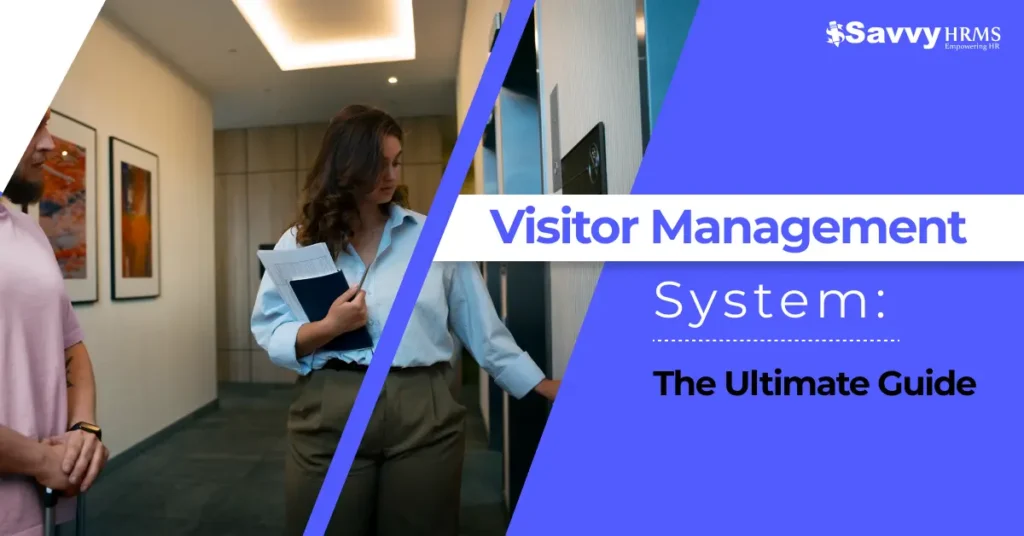
Why do modern organizations need smarter visitor management today?
Workplaces are developing fast, and traditional records simply can’t keep up. As organizations welcome clients, vendors, contractors, and guests daily, depending on manual registers creates security gaps, slow processes, and an unprofessional first impression.
What’s changing now?
Hybrid work, multi-location setups, and increased security concerns demand a digital, efficient, and secure way to manage every visitor entering the assumption.
As we move into 2026, adopting the best visitor management software is no longer optional. Whether you run a corporate office, hospital, school, or coworking space, a digital visitor management system can transform your front desk, automate check-ins, and significantly strengthen your security position.
Why choose digital?
A smart visitor management software provides real-time visibility, automated workflows, and advanced security features, protecting your people, assets, and data while ensuring a smooth experience for legal visitors.
Is it really necessary?
Absolutely. It modernizes your workplace, improves safety, and brings professionalism to every guest interaction.
Let’s get started and explore how a powerful Visitor Management System can redefine your workplace in 2026.
What is a Visitor Management System?
A visitor management system, sometimes called VMS, is a digital tool that handles how people enter your premises. Instead of using paper sign-in sheets, it uses tech to track guests easily. From arrival to exit, the process becomes smoother and safer. It cuts out old manual methods, swapping them for faster options. The goal? Fewer issues, more control.
A solid guest tracking setup does several key jobs inside a company. It collects basic info, like names, phone numbers, why someone’s visiting, and who they’re meeting, using clear online forms. People can use it on their own through touchscreens, phones, apps, or websites, needing little help from front desk employees. Good visitor tools link up with door access tech, ID card printers, or alert systems, so everything runs smoothly without extra paperwork.
Key Benefits of Visitor Management Systems for Organisations
1. Enhanced Security and Access Control
A digital check-in setup helps keep unwanted people out of your office. Instead, using ID checks along with picture recording lets companies know exactly who’s inside right now. That way, when something goes wrong or an inspector shows up, you’ve got clear records ready. These logs make it easier to track every entry and movement without confusion
2. Faster Check-In and Reduced Wait Times
Filling out guest logs by hand takes way too long, sitting at the front desk. Instead of that issue, smart sign-in tools fix the problem using touchscreens, phone check-ins, or signing up ahead of time. Guests come through registration in less than half a minute, no more lineups. Staff aren’t stuck managing every detail, so they can focus on real tasks.
3. Improved Visitor Experience and Professional Image
Right off the bat, how things look can shape opinions at work. So having a sharp visitor setup gives guests a smooth sign-in moment that makes your team look put-together. Removing messy logs and confusing steps means people get clean workflows, friendly welcomes, or helpful directions instead.
4. Compliance with Regulatory Requirements
Every industry deals with different rules for tracking guests and securing offices. Because of HIPAA, hospitals need tight check-in systems, and so do banks under particular regulations. Government work often demands strict access logs, too. Instead of paper records that fail, digital tools keep records correct by cutting out human slips. These setups adapt easily, whether you’re in education, energy, or manufacturing spaces.
5. Real-Time Visibility and Occupancy Awareness
A new way to track guests gives you quick info on who’s in your office right now. Dashboards show up-to-the-minute lists of visitors, workers from outside, and staff, along with when they arrived, which team they’re visiting, and why they’re there. Knowing this helps during issues or while running day-to-day operations.
6. Automated Host Notifications
A visitor shows up? Good software instantly tells the right person, through email, text, or app message. That way, no one gets overlooked, helpers aren’t guessing, and things run smoothly. The host already knows key details before the guest even arrives.
7. Data Analytics and Operational Intelligence
Modern systems track who comes in, when things get busy, also which departments see more people. Because of this info, teams adjust schedules, rearrange spaces, or shift supplies where needed. With clear numbers, they spot delays and then fix them using real evidence.
8. Reduced Administrative Burden and Cost Savings
A trustworthy guest check-in setup cuts down the paperwork issues from hand-written logs, along with ID tags. Thanks to automation, you save on staffing expenses while avoiding messy paperwork and mistakes. It pulls together summaries by itself, giving employees time for more useful work.
Essential Features of a Visitor Management System for Organisations
1. Self-Service Kiosk and Check-In Interface
Teams pop into modern software that runs itself, and no help is needed. Touchscreens walk guests along, asking details bit by bit. They pick why they’re here instead of guessing what to do. A quick snap gets their photo without delays. Lines at the front desk? Not anymore.
2. Pre-Registration and Invitation Management
A solid visitor check-in tool lets hosts shoot invites to guests ahead of time. So employees fill out details early, which removes wait times at entry points and also improves info dependability while making greetings feel more personal.
3. Advanced ID Verification and Photo Capture
Security-minded visitor check-in tools use official ID scans along with snap-on arrival photos. By combining these features, they enhance protection while building a clear record that ties each person to their entry time.
4. Automated Badge Generation and Printing
A digital guest check-in tool makes neat ID tags right away, no handwritten entries needed. These include pictures, full names, host details, plus safety elements. Pick designs that fit your company’s look; they’re ready to print on demand.
5. Real-Time Occupancy Dashboard
A new kind of check-in setup shows real-time who’s inside the office. But admins can sort people by area, team, or when they arrived, giving clear insight into any issue or daily tasks.
6. Integration with Access Control Systems
Top check-in tools link up with gate systems, so doors open or spots get reserved once visitors are tagged, keeping everything tied together without extra steps.
7. Customizable Forms and Compliance Documentation
A top sign-in tool lets you build tailored entry forms depending on who’s visiting. Put legal papers, such as NDAs or wellness checks, right inside the flow, so paperwork moves smoothly. Instead of confusing steps, it combines them quietly behind the scenes. Each guest gets only what they need without extra issues slowing things down.
8. Host Notification and Communication
As soon as someone shows up, a solid check-in setup alerts the host using texts, emails, or calls. The host might approve entry, add extra time, or send directions from afar so things go without errors.
9. Comprehensive Reporting and Analytics
Smart check-in tools create clear summaries showing how many guests arrive, when things get busy, and links to safety checks. Adjustable summaries help during reviews, updates for leaders, or modifying daily workflows.
Why is visitor management software important for Modern Companies?
1. Enhanced Security and Risk Mitigation
Each company deals with dangers from people getting in without permission. Instead, a visitor check-in setup adds protection steps like checking IDs or tracking who comes and goes, cutting down on danger while keeping clear proof.
2. Regulatory Compliance and Legal Protection
Companies in health or banking need solid check-in tracking. Instead of manual records, digital tools handle rules by saving time-stamped entries while prepping reports fast.
3. Operational Efficiency and Cost Reduction
Staff lose hours on manual tasks. Switching to a digital check-in setup speeds things up; some companies see nearly one-third better performance while cutting down paperwork stress and spending less overall because of it.
4. Professional Image and Visitor Experience
Your check-in sets the tone right away, so it matters. A fresh visitor setup shows you’re sharp, office trust by making guests feel welcome without any issue.
5. Emergency Response and Business Continuity
In an emergency, it’s key to know who’s actually there. When things go wrong, having up-to-date headcounts helps teams get people out fast, while cops can respond better with correct info.
Implementation Guide: Steps to execute a Visitor Management System
Step 1: Assess Your Requirements and Select a Solution
Check how many people come in, what the place needs, how systems connect, and also the rules to follow. Look at the best visitor tools out there, ask for live demos, and bring in key teams from safety, hiring, and tech teams.
Step 2: Plan Integration with Existing Systems
Spot tools that work with entry systems, email apps, or staff records. Work alongside tech experts and suppliers to map out how things connect, keep the setup running without any problems.
Step 3: Configure System Settings and Customization
Change forms, badges, or access rules to fit how you work. Use different visitor types to collect the needed info and set limits.
Step 4: Conduct Comprehensive Staff Training
Get train teams, guards, and hosts up to speed on daily tasks, fixes, or step-by-step routines. Try real-life routines, so they feel well once things go live.
Step 5: Execute Phased Rollout and Monitor Performance
Begin at a single location or team, collect user thoughts, then improve things prior to rolling out everywhere. Keep an eye on how fast people check in, how many actually use it, along with any issues, so you can make improvements.
Step 6: Optimize Based on Data and Feedback
Analyzing reports and listening to what users say helps to improve forms, alerts, and connected tools. Keeping things updated actually enhances how well visitor handling works.
Conclusion
The top visitor check-in setup changes how things work, using smart automation to keep data safe, meet rules smoothly, while giving guests a solid first impression. By 2026, using digital sign-in tools isn’t optional; it’s key for running tight and secure operations. Savvy HRMS gives you a full-featured way to handle visitors, built right into HR and building systems. Its clean layout works smoothly alongside strong protection tools, live updates, and machine learning insights, so tracking guests feels effortless. Swap out old methods and enhance efficiency using Savvy HRMS’s perfect check-in tech now.